

stone-root
- noun
- /ˈstoʊn ruːt/
- Specialized
- In the forest understory, stone-root blooms with clusters of yellowish flowers during late summer.
Examples
-
The leaves of the stone-root have a distinctive scent when crushed.
-
The stone-root is often found in moist, shady areas.
-
Herbalists sometimes use stone-root in traditional remedies for its reputed medicinal properties.
-
Many herbalists use stone-root for its medicinal properties.
-
In the forest understory, stone-root blooms with clusters of yellowish flowers during late summer.
-
The leaves of the stone-root have a distinctive scent when crushed.
-
Herbalists sometimes use stone-root in traditional remedies for its reputed medicinal properties.
Synonyms

A plant that lives for several years with toothed pointed leaves and loose groups of yellow flowers
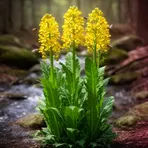
A strong-smelling upright plant with toothed leaves and yellow flowers

A plant in the mint family that lives for many years and has toothed leaves and yellow flowers

A strong-smelling herb with pointed toothed leaves and small yellow flowers that lives many years

A strong-smelling plant with pointed serrated leaves and loose clusters of yellow flowers
Surface Forms
Morphology
Etymology
Stone-root is made of two simple words, stone ('hard rock') and root ('part of a plant under the ground'), and a helpful way to remember it is that the plant has strong roots and was once used in old remedies for 'stones'. So, the name explains why stone-root refers to a plant known for its notable root and its traditional medicinal use.

