

staphylococcal enterotoxin B
- noun
- /ˌstæfɪləˈkɒkəl ˌɛntəroʊˈtɒksɪn biː/
- NSFW
- Exposure to staphylococcal enterotoxin B can result in fever, vomiting, and severe gastrointestinal distress.
Examples
-
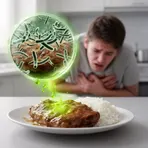
Ingestion of food contaminated with staphylococcal enterotoxin B can lead to serious health issues, including nausea and diarrhea.
-
Research on staphylococcal enterotoxin B has provided insight into the dangers of bacterial toxins as biological weapons.
-
Staphylococcal enterotoxin B was investigated for its potential use in incapacitating enemy troops during warfare.
-
The laboratory tested for staphylococcal enterotoxin B in the samples.
-
Health officials warned about the dangers of staphylococcal enterotoxin B.
-
Research has shown that staphylococcal enterotoxin B can be lethal in high doses, highlighting its potential as a bioweapon.
-
To assess the risks, scientists examined the effects of staphylococcal enterotoxin B on human cells in the laboratory.
Synonyms


 1
9.9
1
9.9
A poison made by bacteria that causes food poisoning and severe stomach illness
How Toxic

Surface Forms
Morphology
staphylococcal + enterotoxin + B
The term is compositionally built from its parts: 'staphylococcal' indicates origin from Staphylococcus bacteria, 'enterotoxin' denotes a toxin affecting the intestines, and 'B' marks a specific variant. Thus the overall meaning—a gut-affecting toxin produced by staphylococci, variant B—is directly derivable from the constituents, following standard biomedical naming conventions, so it is transparent to a learner who knows the component words.
Etymology
Staphylococcal enterotoxin B is a descriptive name: staphylococcal refers to the staph bacteria that look like a small 'bunch of grapes', and enterotoxin means a 'poison' for the 'gut'. So the name tells you it is a bacterial poison that attacks the gut and can cause severe illness, which is why it has been studied as a weapon.