
stainability
8.9
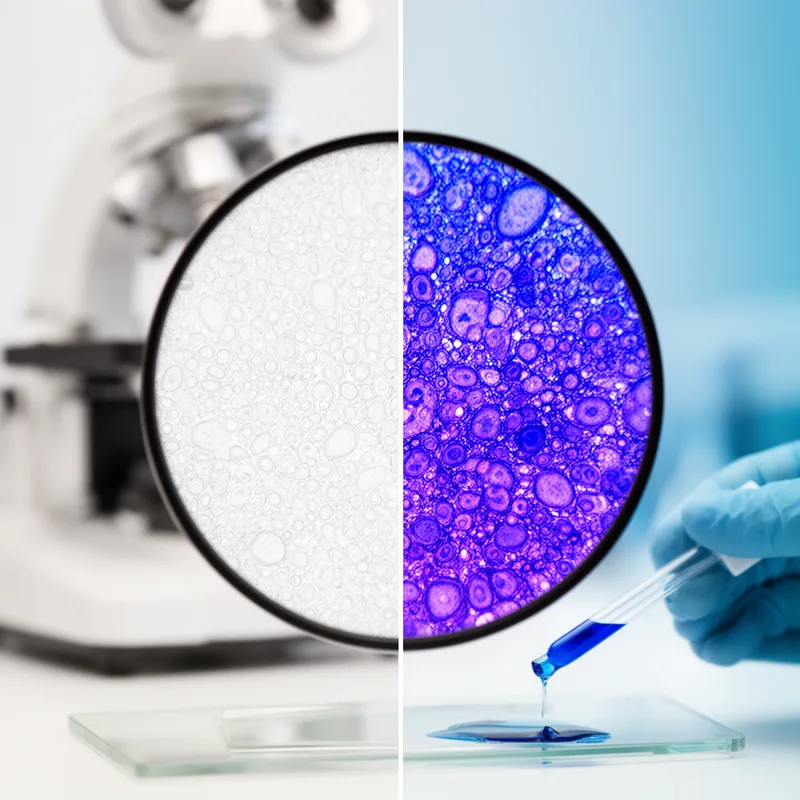
Ability of cells or their parts to take and hold dye for viewing with a microscope
- noun
- /ˌsteɪnəˈbɪlɪti/
- Specialized
:
tinción
- The research focused on the DNA stainability of the cells, revealing how effectively they absorbed the dye during analysis.
Examples
-
High stainability was observed in the cancer cells, indicating their capacity to retain the dye used for microscopic examination.
-
Of note was our observation of a negative association between Me-PFOSA-AcOH and PFOSA and the percentage of high DNA stainability, suggesting fewer sperm with immature chromatin.
Academic text (2015) -
In our study, we measured the stainability of the tissue samples to determine their suitability for further investigation under the microscope.
Surface Forms
stainability singular
stainabilities plural
Morphology
Etymology
Stainability comes from stain ('to colour or mark') and -ability ('the quality of being able to'). It means how well cells or tissues take and hold a dye, so it tells you how easy they are to see under a microscope.

