
stagflationary


 1
9.9
- adjective
- /stæɡˈfleɪʃənˌɛri/
- Specialized
- This is, in part, why stocks were crushed during the stagflationary period of the 1970s.
Loading YouTube…
Watch on YouTubeCome on then we're like OK, but but what about the stagflationary GDP report?
- Come on then we're like OK, but but what about the stagflationary GDP report?
Examples
-
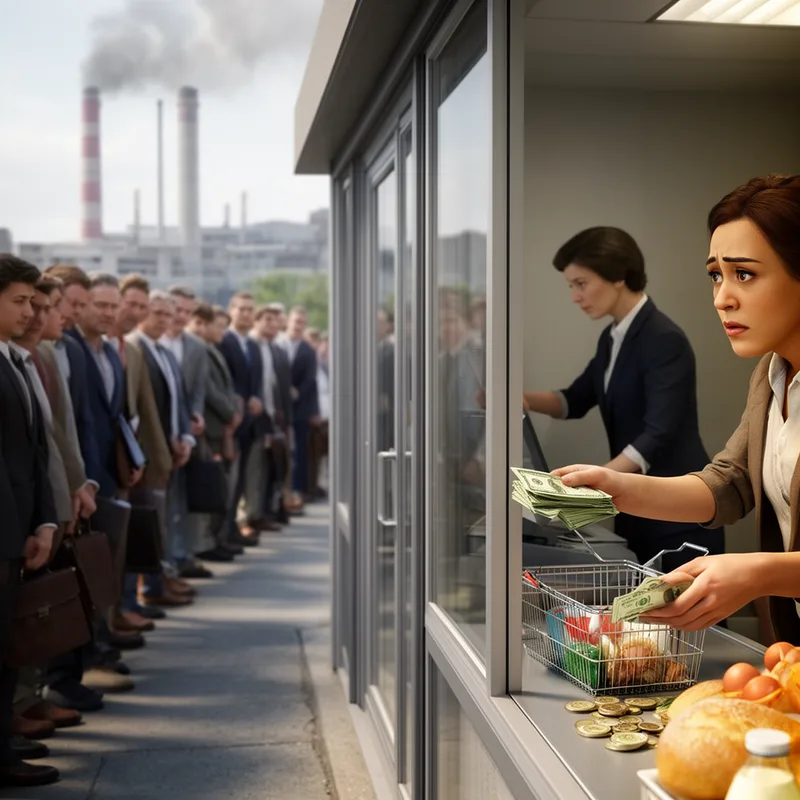
During the stagflationary period of the 1970s, many people faced both high unemployment and rising prices.
-
Come on then we're like OK, but but what about the stagflationary GDP report?
-
And it's not just an inflation concern, but it's also partly A stagflationary concern, which is concerning.
-
An unprecedented period of recession-free, low-inflation economic growth had replaced the stagflationary rut of the 1970s.
Academic text (1990) -
Whilst we are mired in a stagflationary environment, the only remedy that the central planners have is still one that can go on until infinity: unlimited liquidity.
Blog text (29) -
The government's response to the stagflationary crisis included measures to stimulate job growth and control inflation.
-
Analysts warn that the economy might enter a stagflationary phase if inflation continues to rise while employment rates remain low.
Antonyms


How Severe
125
3.5

- Specialized
1
9.9
- Specialized
30
4.8
20
6.3
467
2.3
Surface Forms
Morphology
stagflationary = stagflation (semi-transparent) = stagflation + ary
The adjective is formed by the regular noun-to-adjective suffix '-ary' applied to the noun 'stagflation', a straightforward morphological operation.
Etymology
The word stagflationary is formed by joining stagnation ('no growth') and inflation ('rising prices'). So it describes an economy with slow or stopped growth and rising prices at the same time.