
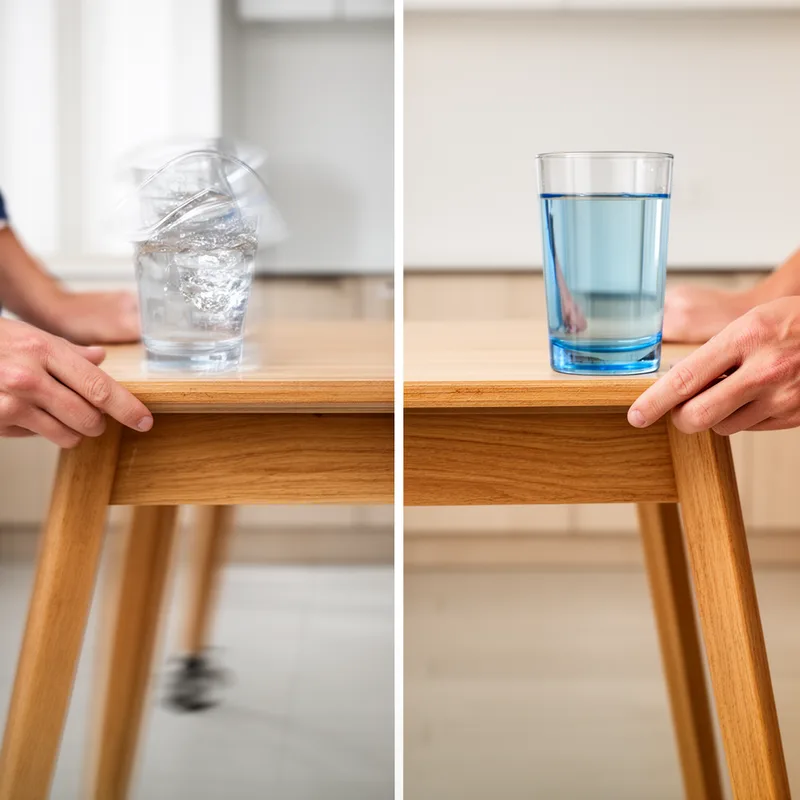
stabler
- adjective
- /ˈsteɪblər/
- Some grow or shrink rapidly in the process of learning, some are more stable over time.
Loading YouTube…
Watch on YouTubeOK, now the right one is far more stable than the left.
- OK, now the right one is far more stable than the left.
- And they were living a much nicer life, more stable life.
- This steel actually is stronger and more stable.
- We saw identity politics as an unstable substitute for more stable connections to family and community.
- Now this simple circuit is a BI stable circuit, meaning that it has two stable states.
- Long term, stable home, stable relationship.
- Surprisingly precise, stable steering is shockingly quick for a car this big.
Examples
-
So I would look into paying off these cars before we make that move and get under an even more stable financial footing.
-
After adjusting the design, we now have a more stable foundation for the project.
-
So cutting off these things, making a more stable connection to the table, like let's try it.
-
He's a very smart young man and he has a more stable or you know, academic approach to it.
-
These are slower but more stable implicit methods.
-
OK, so maybe E is just more stable than the Z isomer.
-
This type of car is known to be more stable at high speeds than others on the market.
-
The new medication provides a more stable level of energy throughout the day.
Synonyms

 473
2.3
473
2.3

Not likely to change and stays steady over time
 1
4.3
1
4.3
Very steady and reliable in what someone does

Does not change easily under heat or chemicals
How Stable

Surface Forms
Morphology
Etymology
Stabler is the comparative form of stable, a word that comes from an old word meaning 'to stand' or 'firm'. So if something is stabler, it 'stands' more firmly and is less likely to change.