squalidness

squalidness

8.2
Very dirty and unpleasant places caused by poverty or lack of care
  • noun
  • /ˈskwɑːlɪdnəs/
translation icon : sordidez
  • The squalidness of the abandoned building made it unfit for habitation.

Examples

  • She was appalled by the squalidness she witnessed in the city's poorest neighborhoods.

  • Despite its squalidness, the shelter provided a refuge for those with nowhere else to go.

  • The squalidness was shocking!

  • Many live in squalidness.

  • She was appalled by the squalidness she witnessed in the city's poorest neighborhoods.

  • The squalidness of the abandoned building made it unfit for habitation.

  • Despite its squalidness, the shelter provided a refuge for those with nowhere else to go.

Synonyms

filth
vssqualidness
46 2.0

Dirt and disgusting things that make a place very dirty
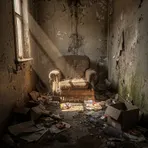
refers to the same extremely dirty state but emphasizes social neglect
squalor
vssqualidness
20 8.0

Dirty and unpleasant living conditions caused by poverty or neglect

is the abstract noun form that names the same condition
grime
vssqualidness
15 2.3

Dirt and soot that make a surface look dirty
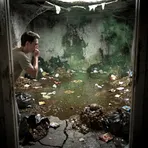
focuses on broader extreme unclean living rather than surface soil
nastiness
vssqualidness
2 4.9

A very dirty state that smells bad and disgusts people

highlights extreme unclean living that is usually caused by neglect
uncleanness
vssqualidness
1 6.0

A state of being dirty and likely to spread disease

focuses on severe dirty conditions usually caused by poverty or neglect
sordidness
vssqualidness
1 8.8

A state of being dirty and morally bad

focuses on extreme unclean living usually from poverty or neglect
dirtiness
vssqualidness
1 1.0

Not being clean because it has mud, dust or stains

adds the idea of extreme unclean living often tied to poverty or neglect
slovenliness
vssqualidness
1 8.3

Being untidy, dirty, and careless about clothes or work
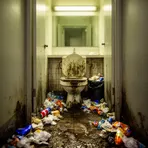
describes widespread extreme dirty living caused by neglect or poverty
filthiness
vssqualidness
1 4.2

A very dirty state with waste and rubbish

is about extreme dirtiness tied to poverty or neglect
foulness
vssqualidness
1 6.3

A very dirty condition caused by garbage or waste

points to extreme dirty conditions commonly linked to poverty or neglect
uncleanliness
vssqualidness
1 5.5

A state when a place or person is dirty and not cared for

describes extreme environmental dirtiness linked to poverty or neglect rather than habits
scumminess
vssqualidness
  • Offensive
8.6

A state of being dirty or bad in a moral way, for example a filthy place

focuses on extreme dirty living caused by neglect rather than moral failing
manginess
vssqualidness
8.2

A shabby, dirty look from old, worn clothes

describes extreme dirty living more generally linked to poverty and neglect
griminess
vssqualidness
5.1

Dirt and grease that cover a surface and make it look dirty

refers to the same state but often describing whole living conditions
grot
vssqualidness
  • Slang
9.9

Dirty mess or rubbish that makes a place unpleasant

describes extreme dirty and neglected living situations rather than single messy items
soilage
vssqualidness
  • Archaic
9.1

Dirt or mess that makes something dirty

highlights chronic extreme dirty living rather than temporary staining or contamination
unsanitariness
vssqualidness
9.5

A state in which things are dirty and can make people ill

focuses on extreme dirty living usually from poverty rather than general health risk
dinginess
vssqualidness
6.7

A dirty or dull look that makes something seem old

means extreme unpleasant dirtiness connected with poverty or neglect rather than mere dullness

Antonyms

155 3.0

Polite, respectful behavior that follows common social rules

26 1.0

Being free from dirt and keeping things tidy

How Dirty

squalidness
8.2
filth
46 2.0
dirtiness
1 1.0
cleanliness
26 1.0

Surface Forms

squalidness singular
squalidnesses plural

Morphology

squalidness = squalid (transparent) = squalid + ness

Formed by adding the noun-forming suffix '-ness' to 'squalid', yielding 'the state or quality of being squalid', which is directly predictable from the base.

Etymology

Squalidness comes from squalid, which comes from an old Latin word squalere meaning 'to be rough or dirty', and it is related to the common word squalor. So squalidness is the state of being very dirty and unpleasant, often because of poverty or neglect.