
sprung rhythm
- noun
- /sprʌŋ ˈrɪðəm/
- Literature
- In his latest work, the author experimented with sprung rhythm to create a more dynamic reading experience.
Examples
-
The poet's use of sprung rhythm captures the natural flow of speech, making her verses feel alive.
-
It is very hard to see how to equate syllabics, which tend to suppress natural stress, with sprung rhythm, which tends to exaggerate it.
Fiction book (2000) -
The next point Winters makes, to which I would also take exception, is that the sprung rhythm of Hopkins.
Fiction book (2000) -
I do not agree with Winters's statement that "Wyatt employs the accentual variety of sprung rhythm."
Fiction book (2000) -
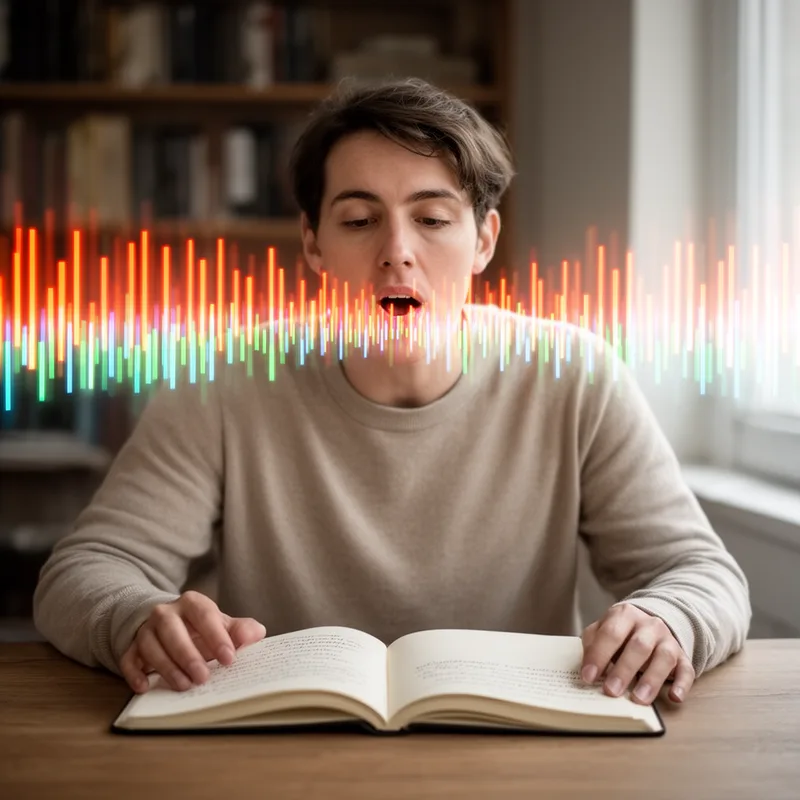
Nowadays I couldn't tell my iambic pentameter from my sprung rhythm, but when I open a book of poetry, if I am alone when I do, I always read the poem aloud to an imagined listener.
Academic text (2015) -
Many contemporary poets are embracing sprung rhythm to reflect the varied patterns of human conversation.
How Regular


Surface Forms
Morphology
The noun 'rhythm' clearly signals a pattern of stresses, and a learner who knows 'sprung' (the past participle of 'spring') might infer a kind of rhythm that 'springs' or has an irregular/elastic quality, so they could guess it's a particular type of rhythm. However, the specific technical sense — varying numbers of unstressed syllables between stresses to mimic natural speech — is specialized and not directly predictable from the constituents, so full comprehension requires prior exposure.
Etymology
Sprung rhythm was named by the poet Gerard Manley Hopkins to make lines that sound like ordinary speech. He called it sprung because the strong beats seem to 'spring' or jump forward while the number of weak sounds between them can change, so the rhythm feels like 'natural speech'.