
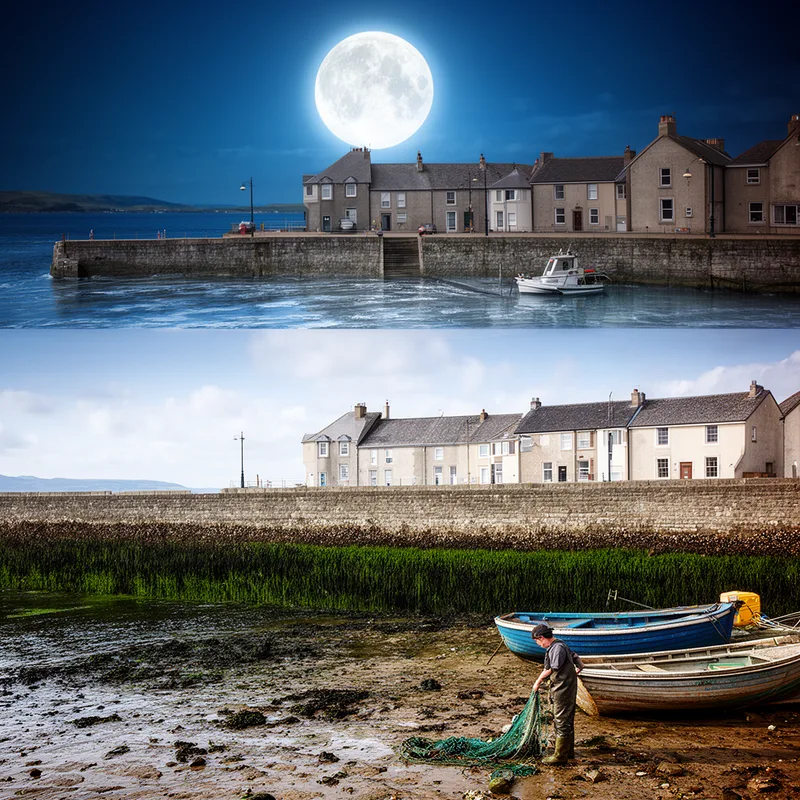
springtide
- noun
- /ˈsprɪŋˌtaɪd/
- Literature
- The difference between high and low water is most pronounced at springtide each month.
Examples
-
During a springtide, coastal flooding is more likely because of the unusually high water levels.
-
The springtide caused the river to overflow its banks.
-
Fishermen often plan their trips around the springtide for optimal catches.
-
During the springtide, fishermen often catch more fish.
-
During a springtide, the difference between high and low water can reach its maximum, leading to higher ocean levels along the coast.
-
Fishermen carefully time their activities to coincide with the springtide, as it provides advantageous conditions for fishing.
-
The coastal town prepared for the springtide, knowing it would bring the highest tides of the month.
Antonyms
- Specialized
A tide when the difference between high and low water is very small twice a month
How Strong
- Literature

- Specialized


 1
9.7
1
9.7
- Specialized
- Specialized
1
7.0
Surface Forms
Morphology
Etymology
Springtide comes from spring meaning 'to rise' or 'jump' and tide meaning 'sea movement', not the spring season. So it names the time when the sea 'rises' extra high and low at the new and full moon, which is why high and low water are most different then.