
sporogony


 1
9.9
- noun
- /spɔːrəˈɡoʊni/
- Specialized
- Interrupting sporogony in mosquitoes could help prevent the transmission of malaria.
Examples
-
Researchers study sporogony to better understand how parasites reproduce and spread disease.
-
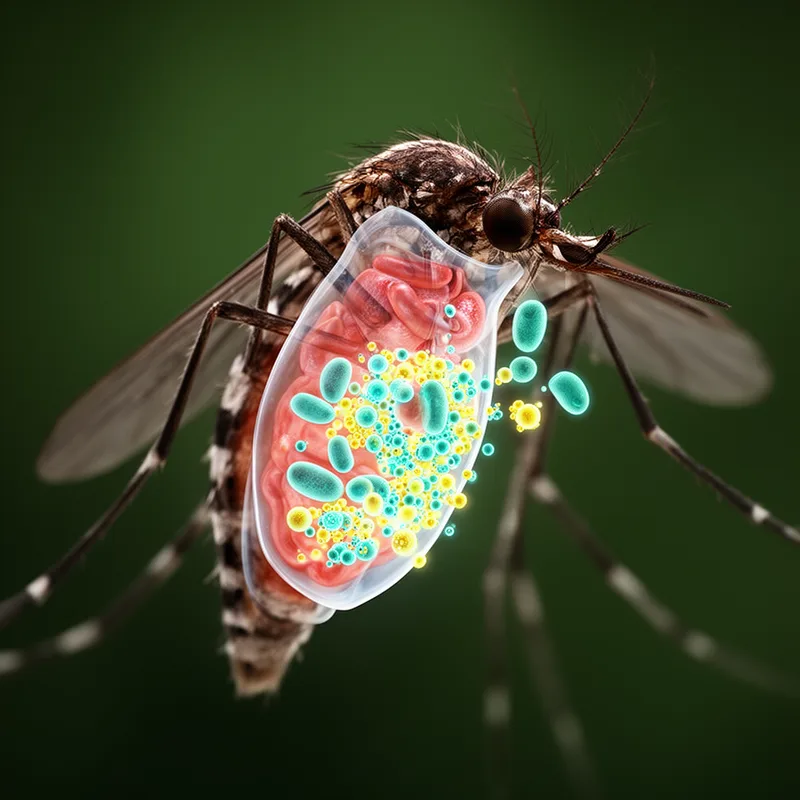
The malaria parasite undergoes sporogony inside the mosquito before it can infect humans.
-
The sporogony of the malaria parasite occurs in the mosquito.
-
During sporogony, spores are produced within the host.
-
Sporogony is the crucial stage in the malaria parasite's life cycle when it produces spores inside the mosquito host.
-
During sporogony, the malaria parasite undergoes significant changes to produce infective spores for transmission.
-
In many parasitic species, sporogony occurs within a host, leading to the release of spores into the environment.
Synonyms
 1
9.9
The making and releasing of tiny spores so living things like fungi can spread
Surface Forms
Morphology
sporogony = spore (opaque) = sporo + gony
The combining suffix '-gony' is a technical, non-productive element meaning 'generation' and is not familiar to average learners, so the meaning is not transparently inferable from 'spore'.
Etymology
Sporogony comes from Greek parts spora ('seed' or 'spore') and -gony ('birth' or 'generation'), so sporogony is the stage when a parasite makes spores, a kind of 'birth' of many new infectious forms inside a host.