
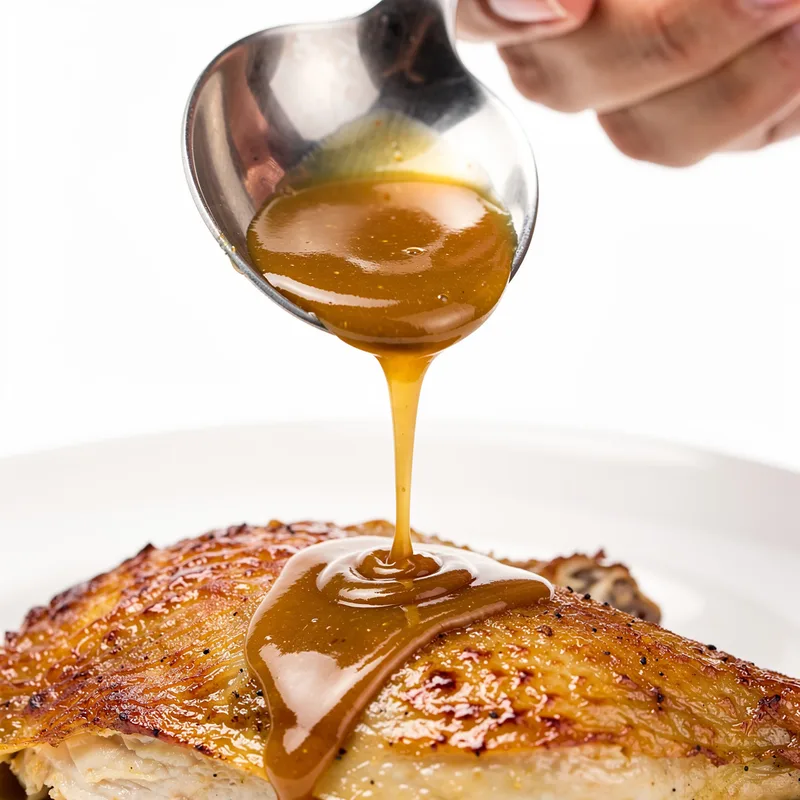
to spoon
 31
1.0
31
1.0

- verb
- /spuːn/
- I will spoon the ice cream into the cones for everyone.
- spoon the mixture
- spoon the sauce
- spoon the batter
Loading YouTube…
Watch on YouTubeTwist, pull it out and spoon out the good stuff, then eat it.
- Twist, pull it out and spoon out the good stuff, then eat it.
- Now you have your absolutely delicious looking cake mixture, it's time to spoon it into your cupcake cases.
- It says the new smart tool that helps you spoon out all your creams, lotions, serums and other products.
Examples
-
Twist, pull it out and spoon out the good stuff, then eat it.
-
You want me to spoon this onto the plates?
-
And then you just kind of spoon it and then eat.
-
I think the best way to do that with children is to spoon feed them.
-
Place half the chips in each pan, then spoon the bean mixture over them.
Fiction book (1993) -
And now I think it's time to spoon the mixture into the baking tins.
-
And then you're going to spoon out all this deliciousness.
-
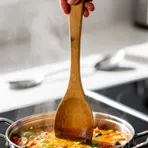
So I fetched a wooden bowl from the table and spooned soup into it.
Fiction book (1994) -
With the kettle already simmering, Ben took the plate and spooned it full of food.
Fiction book (1996) -
Already she had spooned some of her avocado mousse into his ridiculous open mouth.
Fiction book (1990)
Synonyms
 4
3.4
4
3.4
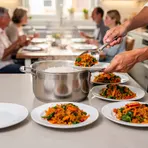
To put soup or stew into bowls using a large deep spoon
 3
2.2
3
2.2
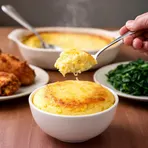
To serve food onto plates for people to eat
 1
9.9
1
9.9
To take small amounts of liquid or soft food into the mouth slowly
Idioms



Compounds


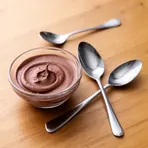 1
1.5
1
1.5
A spoon larger than a teaspoon but smaller than a tablespoon that you use for eating desserts





- UK
A prize often a small wooden object for the person or team finishing last in a competition
How Much

Surface Forms
Etymology
Spoon as a verb comes from the noun spoon (the tool); to spoon simply means to move, serve, or eat food using that tool, which is why we say someone 'spooned' the sauce onto the dish.