

spongiform
- adjective
- /ˈspʌndʒɪfɔrm/
- Specialized
- The pathologist noted spongiform changes in the brain tissue under the microscope.
Loading YouTube…
Watch on YouTubeMad cow disease is a prion that causes bovine spongiform encephalitis BES, but it's mad cow disease.
- Mad cow disease is a prion that causes bovine spongiform encephalitis BES, but it's mad cow disease.
Examples
-
The tissue sample appeared spongiform under the microscope.
-
Certain diseases can cause organs to develop a spongiform appearance.
-
The infected tissue became spongiform, losing its normal structure and firmness.
-
Some spongiform lesions were observed in the patient's brain.
-
The pathologist noted spongiform changes in the brain tissue under the microscope.
-
Certain diseases can cause organs to develop a spongiform appearance.
-
The infected tissue became spongiform, losing its normal structure and firmness.
Synonyms
 11
2.2
11
2.2

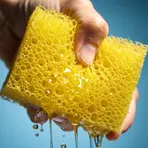
Soft and full of small holes that soak up liquid easily

Soft and full of small holes that soak up liquids
Compounds
- Specialized
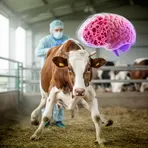
A deadly brain disease in cows that makes them unsteady and restless
How Spongy

Surface Forms
Morphology
Etymology
The word spongiform comes from sponge and the ending -form, which means 'shape'. It literally means 'in the shape of a sponge', so it describes tissue that looks full of small holes and soaks up liquid like a kitchen sponge.