

splattering
 2
6.2

- noun
- /ˈsplætərɪŋ/
- (BLOOD SPLATTERING)
Examples
-
(biting sounds, blood splattering) - And I've been running ever since.
-
(BONES SHATTERING AND BLOOD SPLATTERING)
-
(zombies feeding, splattering)
-
(BLADE PULLING FROM FLESH AND SPLATTERING)
-
(BLOOD SPLATTERING AND FLESH SQUELCHING)
-
(BLOOD SPLATTERING)
-
(BLOOD SPLATTERING)
-
(BLOOD SPLATTERING)
-
The sudden splattering of paint on the canvas created a vibrant effect.
-
We heard the splattering of water as the waves crashed against the rocks.
Synonyms
 41
5.5
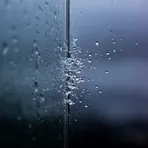
A series of quick sounds made when small drops or pieces hit something
 13
4.0
A series of short, sharp noises like something loose hitting
 11
5.1
A sudden sharp sound made when liquid hits a surface
 10
4.0
A quick soft series of light sounds like rain or small feet
 1
6.2
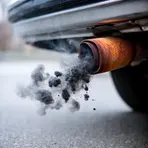
Something that is not working well makes short, sharp popping sounds
 1
5.3
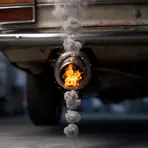
A series of short explosive sounds from an engine or fire
 1
7.7
Short, sharp popping sounds made by a machine, rain, or similar things
 1
3.0
A sharp, sudden sound made when something bursts, like a balloon or bottle opening


 1
6.3
A quick burst of short, sharp sounds
 1
7.4
The movement and sound made when something hits water or mud
How Loud

Surface Forms
Morphology
Etymology
Splattering comes from the noisy base splat, a word that copies a sound like splash. Imagine a sudden 'splat' when something wet hits a surface, and you have the loud, sudden wet noise this sense describes.