

spindling
7.5
Thin and weak in a way that makes it likely to break
- adjective
- /ˈspɪndlɪŋ/
:
delgado
- The spindling tree swayed gently in the wind, its thin branches appearing fragile.
Examples
-
She was a spindling figure, with long limbs and a delicate posture that made her seem effortlessly graceful.
-
The artist painted a spindling tower, emphasizing its height and thin, weak design to evoke a sense of vulnerability.
-
They look a bit like the Lander that we first sent to the moon, like a kind of globe with a long spindle and like spindly legs.
Synonyms
spindly
vsspindling
 11
6.2
11
6.2

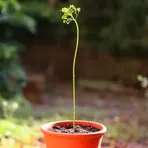
Long, thin, and looking weak, often said about plants or people
adds emphasis on being tall rather than just thin

spindle-legged
vsspindling
8.5
A thing like a chair or bird with long, thin legs that look delicate
refers to whole-body thinness and tall fragility rather than just legs
spindle-shanked
vsspindling
9.0
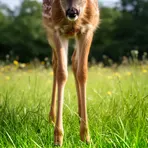
A person or animal with long thin legs
applies to overall thin, tall, and fragile appearance not only legs
Antonyms


How Thin

Surface Forms
spindling positive
Morphology
Etymology
Spindling comes from the familiar tool spindle, a thin rod used for spinning thread, which gives a clear picture of something long and narrow. So, to call something spindling is to say it is 'thin and fragile' like that rod.