

spikemoss
- noun
- /ˈspaɪkˌmɔs/
- Some species of spikemoss are used as decorative plants in terrariums.
Examples
-
Many gardeners cultivate spikemoss for its delicate, moss-like foliage.
-
In damp forests, spikemoss often carpets the ground beneath larger trees.
-
The spikemoss thrives in shaded areas.
-
Many gardeners appreciate spikemosses for their unique appearance.
-
The spikemoss is often found in damp, shady areas, where it forms lush green mats on the forest floor.
-
Scientists are studying the spikemoss for its unique ability to survive in extreme conditions.
-
My grandmother taught me how to identify spikemoss when we went hiking in the woods last summer.
Synonyms

A small evergreen plant that looks like moss and grows close to the ground
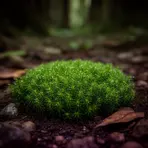
A small plant like moss that grows close to the ground in damp, shady places
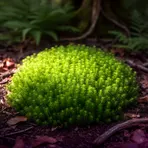
A small plant that looks like moss and grows on the ground
Compounds

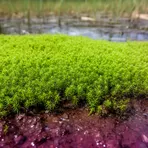

Surface Forms
Morphology
Etymology
The word spikemoss combines spike and moss, where spike means 'pointed' and moss means 'soft green plant'. So spikemoss is an easy name for small plants that look like true moss but have tiny 'spike' parts, and that image helps you remember what the plant looks like.

