

sperm cell
 3
3.5
3
3.5

- noun
- /spɜrm sɛl/
- Sperm cells are continually being produced by the testes and must mature before they can fertilize an ovum.
Examples
-
There are 200 to 300 million sperm cells in the average ejaculation.
-
But of the many sperm cells, only one sperm fertilizes an egg.
Blog text (6) -
If you had one egg cell and one sperm cell, then the DNA is already determined.
Blog text (12) -
Billions of sperm cells all participating in a race... fantastic.
-
A special nuclear division, called meiosis, is a process in which egg and sperm cells are formed.
Academic text (2003) -
In 1940, sperm counts were typically well above 100 million sperm cells per milliliter.
Blog text (29) -
The sperm, say this is the one sperm cell that's able to inject its DNA into the egg.
-
During fertilization, a single sperm cell merges with the egg to create a new organism.
-
Each sperm cell carries genetic information from the male, which is crucial for reproduction.
-
In a healthy male, millions of sperm cells are produced every day to ensure successful fertilization.
Synonyms
 253
3.2
253
3.2
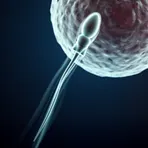
A male sex cell that joins a female egg to make a baby

 1
9.6
1
9.6
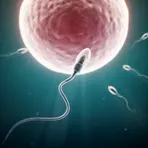
A male sex cell that swims to fertilize an egg
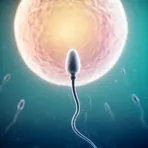
A male sex cell that swims and can fertilize an egg
A moving male cell in plants like ferns that fertilizes eggs
Surface Forms
Morphology
The meaning 'male reproductive cell that fertilizes the egg' is directly and compositionally derived from combining 'sperm' (male cell that combines with an egg) with 'cell' (microscopic living unit). This is a straightforward noun-noun compound with clear, cross-linguistic equivalents, so a B1 learner who knows both constituents will readily understand the MWE.
Etymology
Sperm cell comes from a word for 'seed' and the word cell meaning a very small room or container. Think of a tiny sperm like a seed in a tiny cell — that image helps you remember it is the male cell that joins with the egg to make a new life.