

sold-out
 58
2.1
58
2.1

- adjective
- /soʊld aʊt/
- After a three-month period, the first year's production was completely sold out.
- sold out in six months
Loading YouTube…
Watch on YouTubewe sold these constantly. Like we were always sold out of them. People love them,
- we sold these constantly. Like we were always sold out of them. People love them,
- And yet it's sold out nearly everywhere.
- They're actually sold out of a lot of the shades on Sephora.
- Yeah, it's almost like they don't need the press because it's sold out.
- Our first London show is inches from being sold out.
- Like playing shows, international shows, sold out shows, being a drummer for a band.
- They need to show up and see a sold out crowd with butts and seats.
- We saw there was sold out water at Trader Joe's and Costco.
- In Atlanta, right at the Phillips Arena, sold out on the Martin tour.
Examples
-
The two scheduled concerts quickly sold out, leaving over one thousand people on waiting lists.
Academic text (1999) -
I hear your show was sold out already.
Fiction book (1996) -
The initial inventory of the latest iPhone was sold out in just one hour.
Blog text (8) -
This specific shade has been sold out at sephora.com for months.
-
The entertainment-hungry folk of Port d'Elhour had turned out in force, and the show was sold out.
Fiction book (1992) -
The launch party on Thursday is an already sold-out telethon called 'The People's Bailout.'
Blog text (9) -
The concert was a huge success, playing to a sold-out crowd at the stadium.
-
Fans rushed to buy tickets, but the show was already sold-out within minutes.
-
After weeks of anticipation, the film premiere was finally sold-out.
Synonyms
 20
3.1
20
3.1
Not having things like tickets left to buy or having given up your values for money
 6
1.8
6
1.8
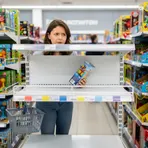
Not available to buy because none are left
 5
2.4
5
2.4
People have reserved all places, rooms, or tickets

Bought and no longer available to buy

Reserved in advance so it is not available for others

Having more people who want something than there are places or tickets
Antonyms

Surface Forms
Morphology
Etymology
Sold-out comes from the words sold (past of sell) and out, where out means 'no more left'. So when tickets or items are sold-out, they have all been 'sold' and there are 'no more left'.