
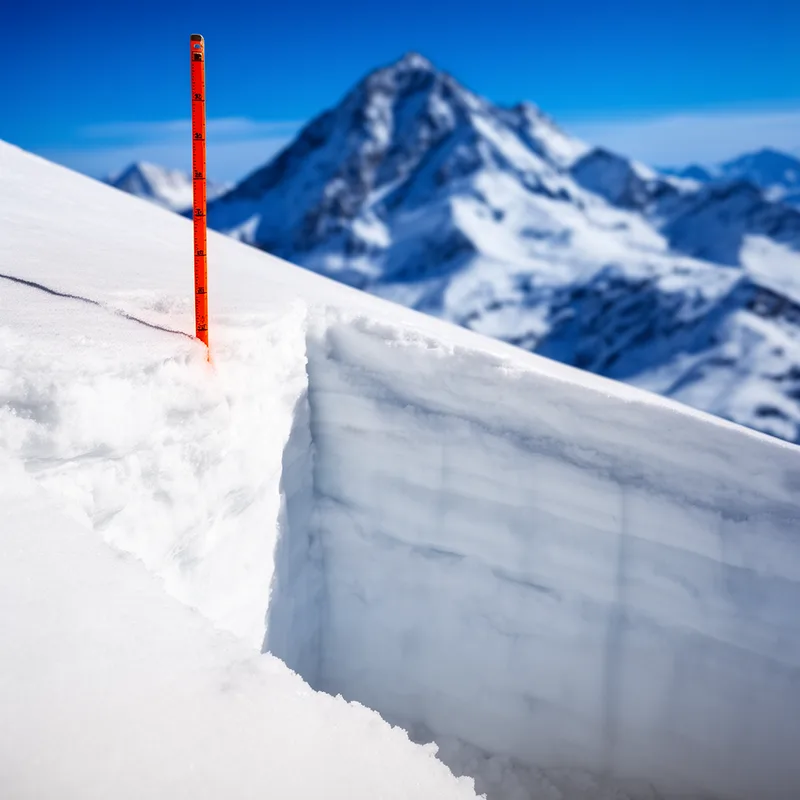
snowpack
 7
3.8

- noun
- /ˈsnoʊˌpæk/
- UK
- What's more, the snowpack might yield less water.
- winter snowpack
- mountain snowpack
- snowpack depth
Loading YouTube…
Watch on YouTubeThe day after it snows, that's when avalanche has happened because it's just all this new snowpack and it's, you know, gravity pulls it down.
- The day after it snows, that's when avalanche has happened because it's just all this new snowpack and it's, you know, gravity pulls it down.
Examples
-
Snowpack has decreased, and the timing of snowmelt and peak runoff has shifted earlier in the spring.
Academic text (2016) -
Water availability is highly likely to decrease in areas that depend on glaciers and seasonal snowpack for their water supply.
Academic text (2006) -
The California snowpack is the state's largest reservoir.
-
Changes to winter snowpack are also likely to affect winter recreation.
Academic text (2012) -
At the same time, the depth of snowpack increased, meaning that snow stays on the ground later and later into the year.
Academic text (2004) -
What's happening is that snowpack is decreasing and it's also melting earlier.
-
Some of the best water on Earth comes from the melting snowpacks of high-mountain watersheds in the western United States.
Academic text (1997) -
As spring temperatures rise, water from the snowpacks replenishes reservoirs vital to the irrigated agriculture of western states.
Academic text (1995) -
The strong snowpack in the mountains ensures a steady water supply during the spring melt.
-
As winter progresses, the snowpack accumulates, creating ideal conditions for skiing.
How Firm


Surface Forms
Morphology
Etymology
Snowpack is made of snow and pack, where pack means a 'pile' or 'bundle', like in backpack. So a snowpack is a thick, packed layer of snow on the ground that stays through the winter and later melts to give water.