

sleeving
- noun
- /ˈsliːvɪŋ/
- The tailor used durable sleeving to reinforce the sleeves of the shirt against wear.
Loading YouTube…
Watch on YouTubeYou can also do sleeve lining only.
- You can also do sleeve lining only.
Examples
-
The designer chose a soft, warm sleeving for the jacket's cuffs to add comfort.
-
For the new dress, she picked a colorful sleeving to make the sleeves stand out.
-
You can also do sleeve lining only.
Synonyms
 3
3.4
3
3.4

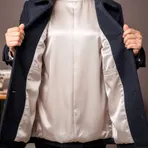
A piece of cloth sewn inside clothes to make them smooth and comfortable
 3
7.5
3
7.5
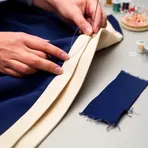
A strip of material sewn into a seam to strengthen or decorate an edge

 1
7.2
1
7.2
A strip of cloth that you sew to a garment edge to make it neat and strong

A smooth, strong silk cloth used to line coats and jackets

A thin strip of fabric sewn into an edge for decoration or strength
How Sturdy

Surface Forms
Morphology
Etymology
Sleeving comes from sleeve, the part of a garment that is a 'cover for the arm', plus -ing. So sleeving means the fabric or lining used to make or strengthen sleeves, which explains its modern use in clothing.