
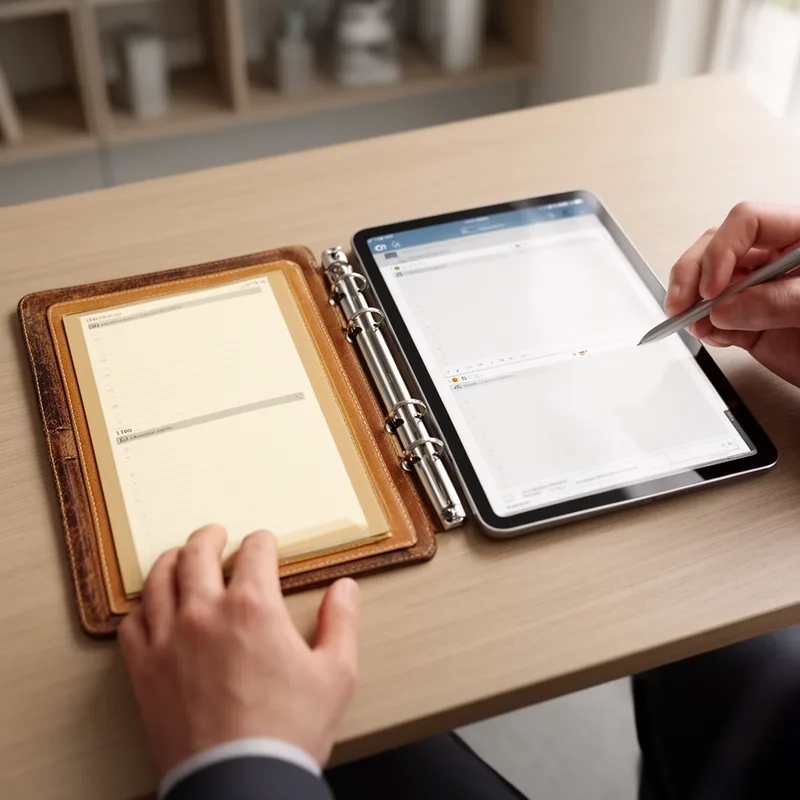
to skeuomorph
- verb
- /ˈskjuːəˌmɔrf/
- Specialized
- The developers decided to skeuomorph the digital calendar to resemble a traditional paper planner.
Examples
-
When updating the app, they chose not to skeuomorph the interface, opting for a modern look instead.
-
Some designers skeuomorph new technology to help users feel more comfortable with unfamiliar devices.
-
The app skeuomorphs traditional tools for a modern interface.
-
Why did they skeuomorph the calendar app?
-
The designers chose to skeuomorph the app features to resemble familiar physical objects, creating a user-friendly experience.
-
Some companies skeuomorph their software interfaces to maintain elements that users associate with traditional devices.
-
To ease the transition for users, the team decided to skeuomorph the new tool by incorporating familiar characteristics of older designs.
Synonyms

 8
6.4
8
6.4

Make something look less natural by showing it in a simple, fixed way

To make something look old-fashioned
How Imitative

Surface Forms
Etymology
Skeuomorph (as a verb) comes from the same Greek parts skeuos 'tool' and morphe 'form', and you can see morphe in the English word morph ('form'). So to skeuomorph something is to make it look or act like an older tool or material, often to help users feel more comfortable.