

sixpence
 6
9.9
6
9.9

- noun
- /ˈsɪkspəns/
- Archaic
- Yes, when I used to ask him for sixpence for the pictures, he'd say "There's pictures on the wall!"
- sixpence coin
- shilling and sixpence
- Silver sixpence
Loading YouTube…
Watch on YouTubeHe found a crooked sixpence upon a style.
- He found a crooked sixpence upon a style.
Examples
-
You've only given me sixpence.
-
We put one and sixpence into the machine.
-
Lost sixpence and found a penny?
-
Oh, to see if sixpence could poison a snake.
-
Half a crown from Mrs. Moore, sixpence from the doctor, tuppence...
-
He took sixpence out of his purse and gave it to a pleasant-looking woman at the stall.
Fiction book (1993) -
You shall get a penny for every mark on your face, sixpence for a bloody nose, a shilling for a black eye, two shillings for a broken nose.
-
He is known as Ben the Looker because he found Granny's thimble, a four-leaf clover, a sixpence on the carpet, and the place in the hot water bottle where the hot water leaks.
Fiction book (1999) -
In England, there's a tradition of baking a sixpence in a Christmas pudding.
-
You've only given me sixpence.
Synonyms
 1
9.9
1
9.9
A British coin worth sixpence not used after 1970
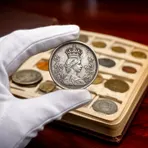
An old British coin worth six pence used before the change to decimal money
Idioms

To look pleased but not fully happy after a small gain that follows a disappointment
How Much

Surface Forms
Morphology
Etymology
Sixpence comes from the simple parts six and pence, meaning 'six pennies', so it was the British coin worth that amount. A helpful way to remember is the common word penny, because pence is the plural, which is why a sixpence was a small coin worth six old pence.