
sitosterol


 1
7.3
- noun
- /ˌsɪtəˈstɛrɒl/
- Specialized
- Research indicates that sitosterol can assist in managing cholesterol levels in the body.
Examples
-
Coprostanol, cholesterol, dihydrocholesterol (cholestanol), stigmasterol, sitosterol, and stigmastanol were identified and quantified by the GC/MS method.
Academic text (2006) -
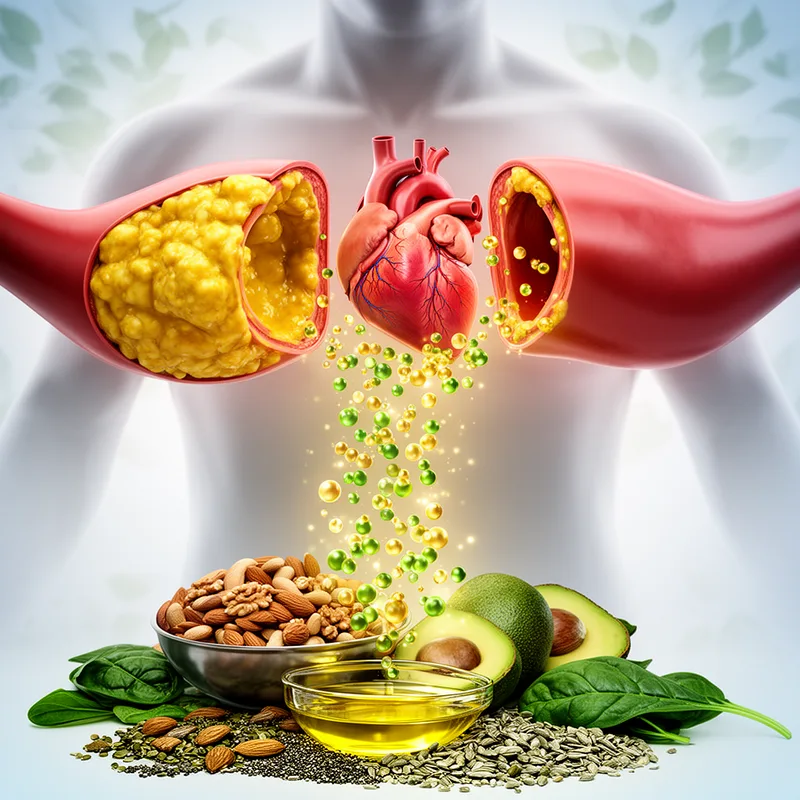
Many vegetables and nuts contain sitosterol, which is known for its cholesterol-lowering properties.
-
Benefits effects of Levitra professional beta sitosterol. Purchase female Viagra.
Blog text (6) -
This is due to the high content of ?-sitosterol present in it (Gossell-Williams et al., 2006 and Tsai et al., 2006).
Academic text (2015) -
Sitosterol and cholesterol are the predominant sterols in raw feces.
Academic text (2006) -
Lagoon slurries contain coprostanol and dihydrocholesterol as the primary sterols, while sitosterol and cholesterol are relatively minor components.
Academic text (2006) -
Beta-sitosterol is often added to dietary supplements to help lower cholesterol levels.
Surface Forms
Morphology
Etymology
Sitosterol comes from the Greek sitos 'grain' or 'food' and the part sterol, the same ending you see in cholesterol. So sitosterol is a plant or 'food' sterol, a cholesterol-like substance found in vegetables, nuts, and seeds.