
sinonasal
- adjective
- /ˌsaɪnoʊˈneɪzl/
- Specialized
- The doctor explained that sinonasal tumors can cause various symptoms, including nasal obstruction and facial pain.
- sinonasal malignant
- sinonasal malignant melanoma
- sinonasal lymphomas
Examples
-
The clinical safety and efficacy of nonsedating antihistamines have been well established for many sinonasal conditions.
Academic text (2006) -
The superior effects of intranasal corticosteroids in sinonasal diseases have been established with respect to symptom resolution and quality of life.
Academic text (2005) -
In Asian populations, more than 90% of sinonasal lymphomas are of T cell origin.
Academic text (2006) -
Summary of the 26 cases of sinonasal infection with P. boydii reported in the literature.
Academic text (2006) -
Various other sinonasal tumors have been described in the literature and can be difficult to distinguish from schwannomas.
Academic text (2007) -
Clinical and radiologic findings on our initial evaluation suggested that the patient had a large sinonasal malignancy.
Academic text (2002) -
In contrast, Matsumoto and Yanagihara reported that the most common metastatic site was the sinonasal area.
Academic text (2001) -
On outpatient follow-up one month later, the patient was seizure-free, and his sinonasal symptoms had abated.
Academic text (2008) -
A high index of suspicion and ultimately a tissue biopsy are necessary to differentiate sinonasal lymphomas from other possibilities.
Academic text (2006) -
Patients with sinonasal lymphomas have a better prognosis than those with nodal lymphomas of similar grades.
Academic text (2006)
Surface Forms
Morphology
Etymology
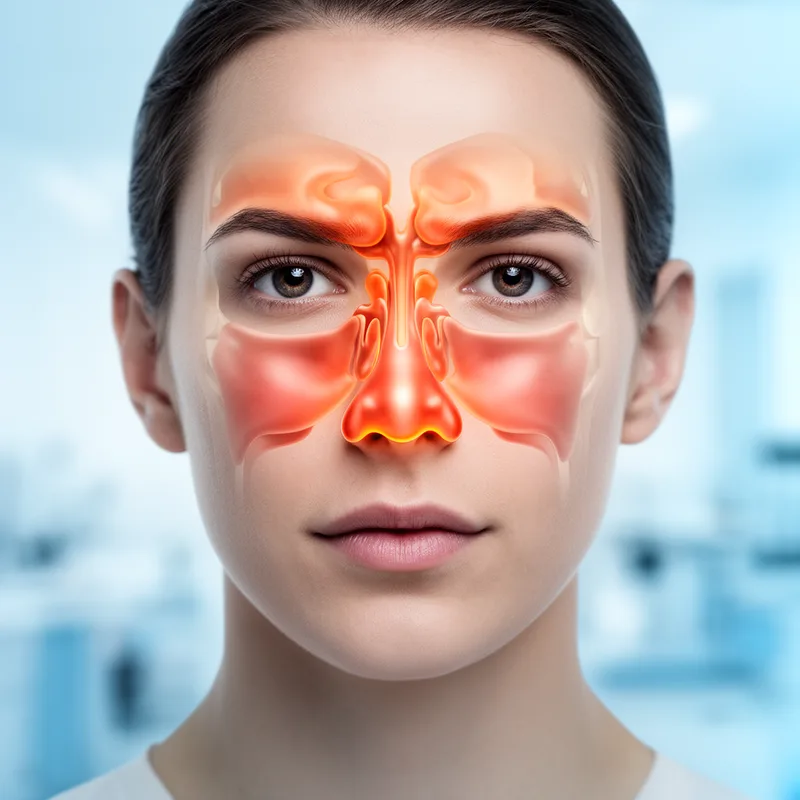
Sinonasal comes from the parts sino- meaning 'cavity', as in sinus, and nasal meaning 'nose'. So, sinonasal means 'relating to both the nasal cavity and the sinuses'.

