
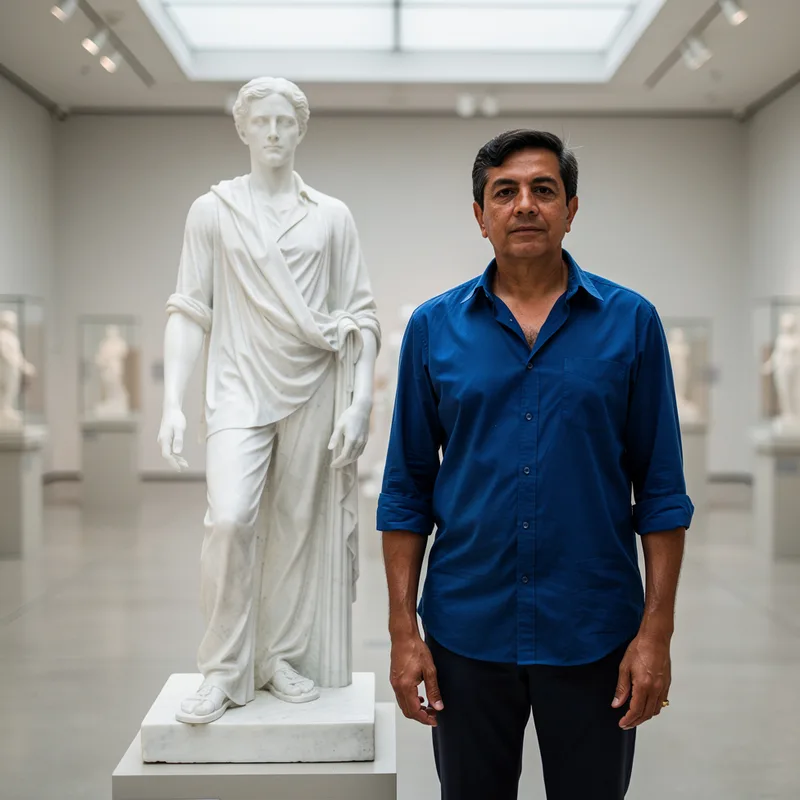
simulacrum
 1
9.9
1
9.9

- noun
- /ˌsɪmjuˈleɪkrəm/
- Formal
- When Kelvin, a psychologist, arrives from Earth, he is immediately sent the simulacrum of his dead wife—a woman who, it is suggested, killed herself because of his emotional neglect.
Examples
-
The artificial being is a reality, a perfect simulacrum... ...articulated in limb, articulate in speech... ...and not lacking in human response.
-
Advani's followers had fashioned his Toyota van into a simulacrum of legendary hero Arjuna's chariot, an image familiar from Peter Brook's film Mahabharata.
Academic text (1998) -
Initially, a symbol or simulacrum stands for something; it reflects a basic reality.
Academic text (1997) -
He missed so much, but he especially missed the woman whose simulacrum stood beside him now.
Fiction book (1999) -
One is instantly transported into this simulacrum of the Vietnam War, which is as absurd and over-the-top as the war itself.
Blog text (27) -
Aesthetically, the function of narrative is to arouse emotion or give pleasure; to create a simulacrum of the world or preserve one's experience in the face of death.
Academic text (1999) -
The artist created a stunning simulacrum of the famous statue, capturing every detail intricately.
-
In the museum, we observed a simulacrum of a medieval knight that illustrated the craftsmanship of that era.
-
The novel features a simulacrum of the protagonist, crafted from various materials to highlight his complex persona.
Synonyms
 ∞
1.0
∞
1.0
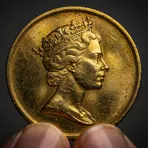
A picture showing a person or thing
 27
4.1
27
4.1
A picture or statue made to show how a person looked
 15
8.2
15
8.2
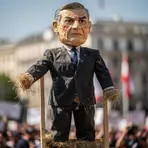
A model of a person used for display or protest
 1
9.9
1
9.9
Making art that copies real life or someone's words

Showing an idea using pictures or symbols in art and writing
Antonyms


How Lifelike

Surface Forms
Etymology
The word simulacrum comes from the Latin roots simul and similis, which mean 'like' or 'same' and are the source of English words such as similar and simulate. So a simulacrum is a made likeness or image of a person, like a statue, which is why we use it for a representation in art.