

silicate
 8
7.2
8
7.2

- noun
- /ˈsɪlɪkeɪt/
- Specialized
- The hot, bright orange flows mean there's silicates or even iron.
- calcium silicate
- alumino-silicate
- silicate minerals
Loading YouTube…
Watch on YouTubeThey found these silicate microspherels from fulgarites.
- They found these silicate microspherels from fulgarites.
- You other silicate group that I'm attached to viscous.
Examples
-
There seems to be an abundance of silicates of aluminum, and something else I couldn't identify as of yet.
Fiction book (2000) -
The broad peak is the signature of silicate particles emitting infrared radiation.
Academic text (1992) -
It's actually like a silicate glass material, which is quite fun.
-
This material is a mixture of a silicate of calcium and magnesium.
-
The combination of aluminum into the silicate backbone during geopolymerization leads to higher compressive strength.
Academic text (2017) -
The molten silicate river she'd seen earlier was turning into a raging torrent of orange lava.
Fiction book (2000) -
"Stony asteroids are rich in silicates and light metals such as magnesium, calcium, and aluminum.
Fiction book (2001) -
The cloud made up of minute particles of silicate, that can severely damage jet engines, left airplanes stranded on the tarmac of some of the world's busiest airports, as it spread over Britain and towards continental Europe.
-
The geologist explained that silicate minerals are found in most types of rocks.
-
Many plants rely on silicate nutrients in the soil for healthy growth.
Compounds

- Specialized
A brick made from sand and lime instead of clay, usually light gray and used for building

- Specialized
A glass-like liquid that seals and protects things like concrete and preserves eggs
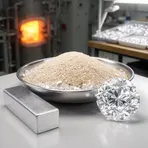
- Specialized
A common mineral in small crystals used to make the metal zirconium and clear gemstones
Surface Forms
Morphology
silicate = silica (semi-transparent) = silic + ate
Formed from the silica root plus the chemical suffix '-ate' (salt/ester), so the formation is regular but understanding requires chemical knowledge of '-ate'.
Etymology
Silicate comes from the root silic-, which goes back to the Latin word 'silex' meaning 'flint' or 'hard stone', and it is the same root as silicon and silica. So a silicate is a mineral made from that stone-like material, which explains why silicates are common in sand, rocks, and glass.