
sievelike
- adjective
- /ˈsivlaɪk/
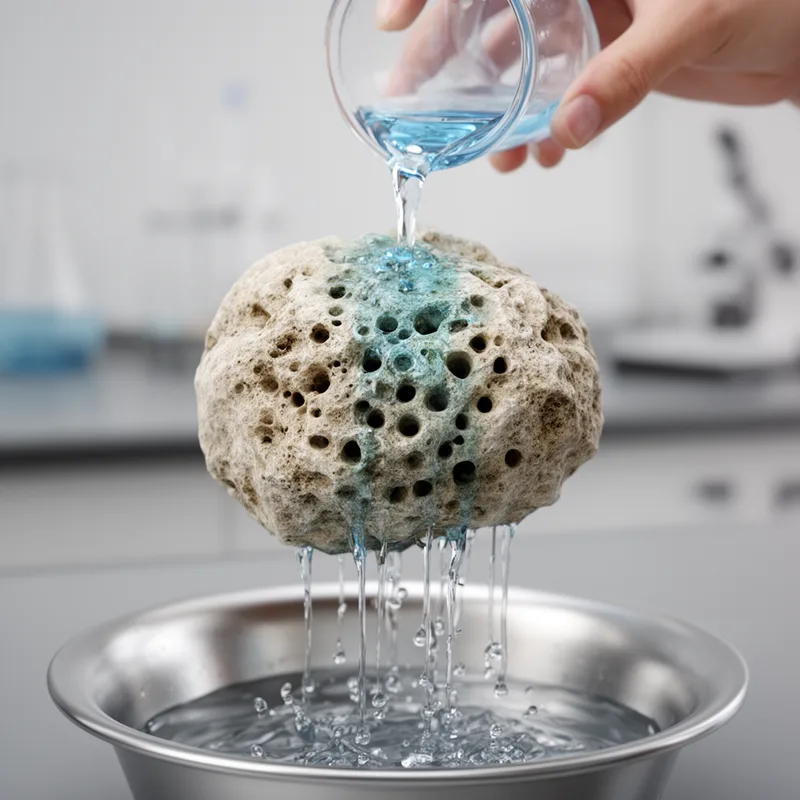
- The sievelike structure of the sponge allows water to flow through while trapping dirt and debris.
Examples
-
The fabric is sievelike, enabling air circulation while keeping larger particles out.
-
Her sievelike dress design featured numerous small cutouts, making it both stylish and breezy for summer.
-
Cribellate spiders have a sort of sievelike plate just in front of the paired spinnerets, with hundreds of fine spigots.
Academic text (1994)
Synonyms

 1
4.2
1
4.2

Full of holes that let things pass through


 1
9.6
1
9.6
A material like rock or bone that lets air and water pass through
 1
8.7
1
8.7
A material with many tiny holes too small to see without a microscope

Having many small holes like a sieve

Having many small holes or connected parts like a net
How Porous

Surface Forms
Morphology
Etymology
Sievelike comes from sieve, a simple tool with many small holes, plus the ending -like, which means 'similar to'. So something sievelike is 'full of holes' and 'lets things pass through easily', just like a sieve.