
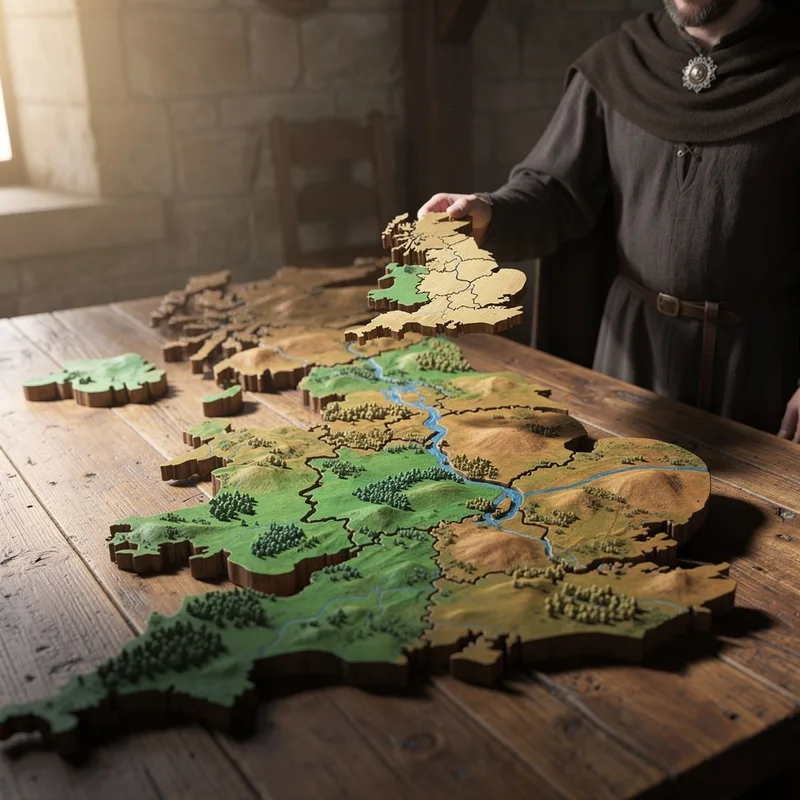
shire
 2
9.9
2
9.9

- noun
- /ʃaɪər/
- Archaic
- The shires largely ran their own affairs unless there was serious trouble, so experience with government was widespread throughout the population.
- English shires
Examples
-
My friends, I, baron and feudal lord of this shire, do here, in your sight, pay homage to those whose claim to this land is older and more sacred than mine, to Sir Robert Hode and to all of you.
-
Farmers in a district who are experiencing a common problem work together with the Department of Agriculture and the local government (shire) officials to tackle that problem.
Academic text (1990) -
I drive down there and have an angry exchange with one of the shire officers.
Academic text (2009) -
We are Queen Elizabeth, first of that name, ruler of England, Ireland and Wales, and this entire Kingdom of the Shire of Sterling.
-
There is another matter before the shire court this evening, and, uh, well, youse all might be able to help.
-
Among the farmers of that shire was Malcolm Wallace, a commoner with his own lands.
-
Every runaway serf and Saxon thief in the shire is joining him.
-
Upon my arrival at the Hyatt Regency—nestled in the fair shire of Bellevue—I stood in awe of the elegance I beheld.
Blog text (24) -
The village in the shire is known for its beautiful countryside and rich history.
-
Many traditions in this shire have been passed down through generations.
Synonyms
 949
1.0
949
1.0
A large area inside a country that has its own local government
Compounds

Surface Forms
Etymology
Shire comes from an old English word scir meaning 'care' or 'district', and the same root is in sheriff (originally 'shire-reeve'), the royal official who ran the shire. So a shire is a county or district, which is why the word means a county today.