
shape constancy
- noun
- Specialized
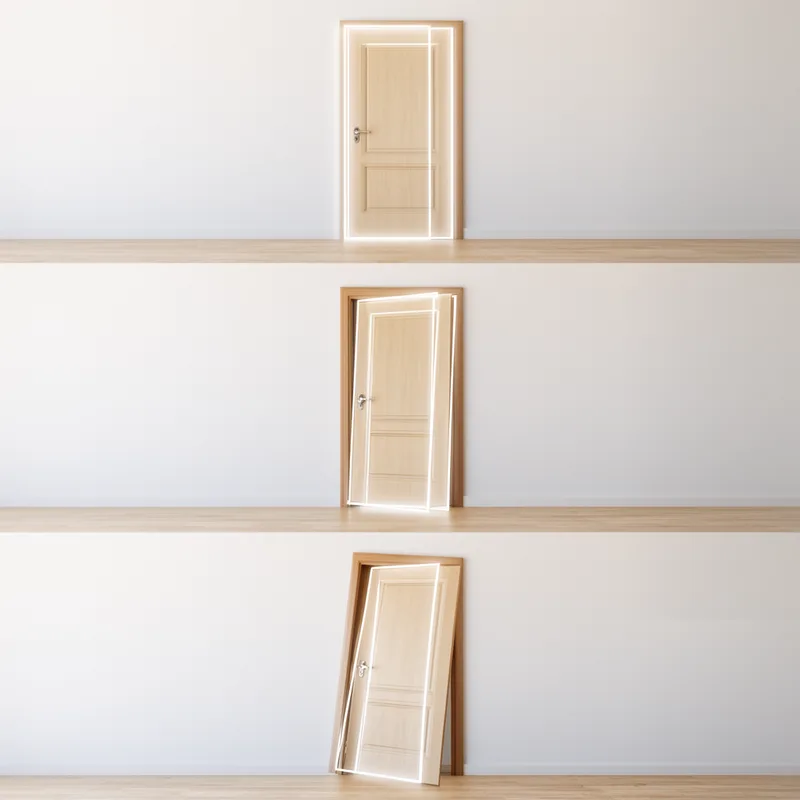
- Thanks to shape constancy, we recognize a door as rectangular even when it appears trapezoidal from an angle.
Examples
-
Thanks to shape constancy, we recognize an object as having the same shape even when viewed from different angles.
-
Photographs that distort perspective can challenge our normal experience of shape constancy.
-
Children develop an understanding of shape constancy as their perception matures.
-
The concept of shape constancy is essential in visual perception.
-
Can you explain shape constancy to me?
-
Children develop an understanding of shape constancy as they learn to see objects more clearly from various perspectives.
-
Photographs that distort perspective can confuse our sense of shape constancy, making objects look different than they are.
Antonyms

Surface Forms
Morphology
The meaning is directly composed from 'shape' (appearance/contour) and 'constancy' (stability/tendency to remain the same); together they describe the stability of an object's shape across different viewpoints. Although it's a technical term in perception research, the semantic combination is fully compositional and would be inferable by a B1 learner who knows both constituents.
Etymology
Shape constancy comes from the idea that the shape of an object stays the same and that constancy means 'staying the same' even when we see it from different angles. For example, a door may look slanted from the side but we still know it is rectangular, so the term means we perceive an object's shape as unchanged.

