
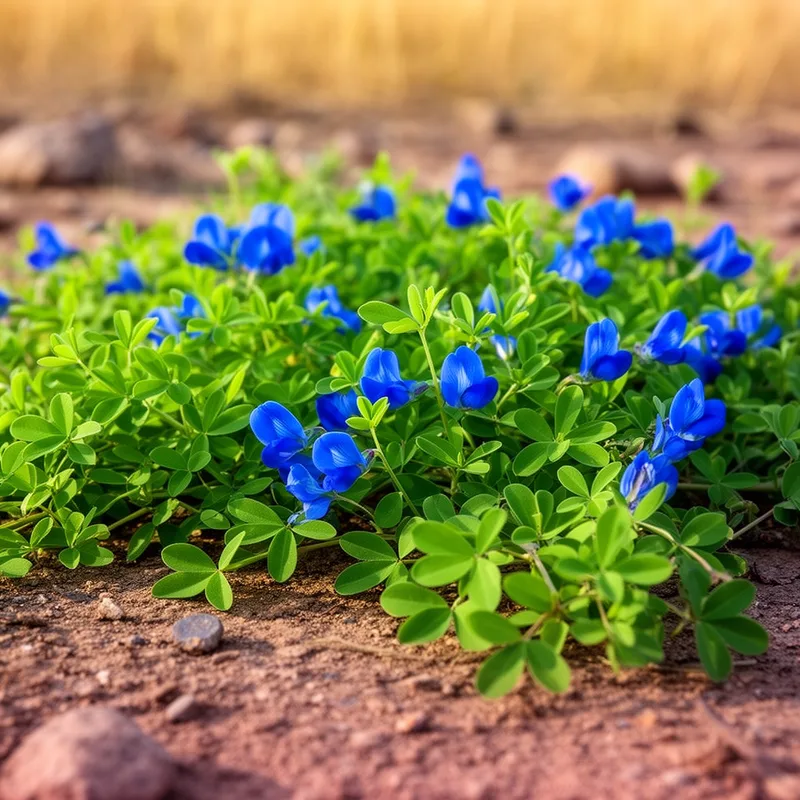
shamrock pea
- noun
- UK
- On her walk, she was delighted to see the shamrock pea with its three-part leaves climbing up the trellis.
Examples
-
She admired the vibrant cobalt flowers of the shamrock pea during her hike in Africa.
-
The garden was covered with a carpet of shamrock pea vines in full bloom.
-
Botanists have noted the resilience of the shamrock pea in diverse climates.
-
The shamrock pea is known for its vibrant blue flowers.
-
I planted a shamrock pea in my garden last spring.
-
During the summer, the shamrock pea flourished, showcasing its beautiful cobalt blue flowers.
-
In the botanical garden, the shamrock pea attracted many visitors with its eye-catching bright flowers.
Synonyms
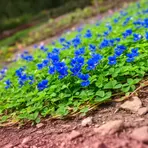
A low plant that spreads along the ground with three-part leaves and bright blue flowers
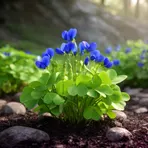
A small flowering plant in the pea family with blue flowers and shamrock-like leaves
Surface Forms
Morphology
The compound is transparently compositional: 'shamrock' (= clover-like, three-part leaves) modifies 'pea' (= a type of plant), so a learner can infer it is a pea-like plant with shamrock-like leaves. This follows a regular noun–noun naming pattern found in many languages, so a B1 learner who knows both constituents can grasp the basic referent even if they cannot predict specific details like the flower colour.
Etymology
Shamrock pea gets its name from how the plant looks: its leaves come in groups of three like a shamrock, and it is a trailing plant in the pea family with bright blue 'flowers'. So the name helps you picture the three-part leaves and pea-like flowers of the plant today.

