
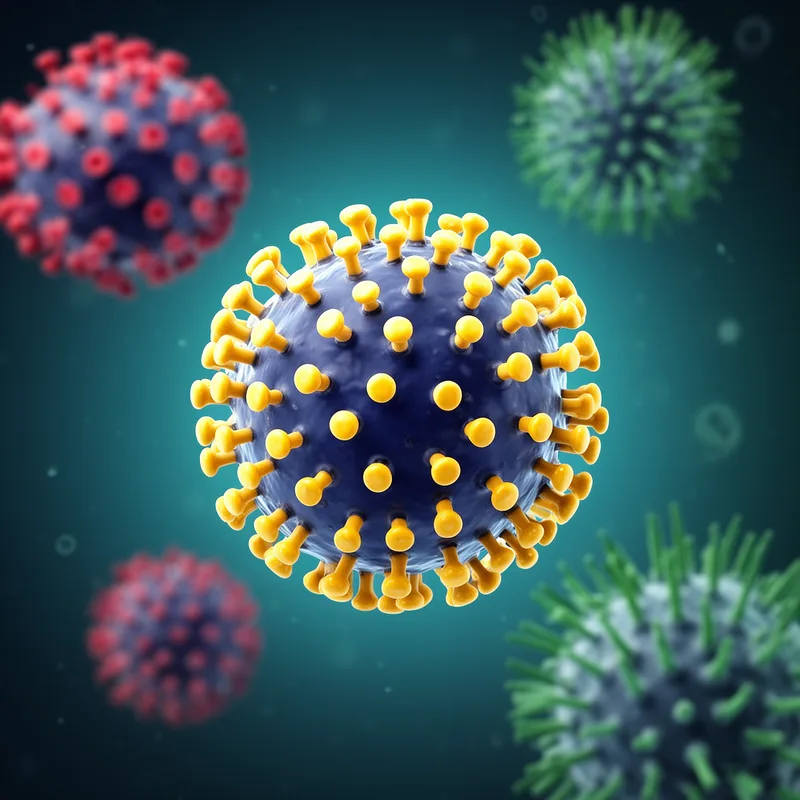
serotype
 1
8.8

- noun
- /ˈsɛrəˌtaɪp/
- Specialized
- In conclusion, this outbreak was associated with S. pneumoniae serotype 15A, a serotype not included in available pneumococcal vaccines.
- vaccine serotypes
- pneumococcal serotypes
- PCV serotypes
Loading YouTube…
Watch on YouTubeThat is antibodies to combat that specific serotype of virus.
- That is antibodies to combat that specific serotype of virus.
Examples
-
In Ecuador, since the 1988 reintroduction of the dengue virus, all four serotypes have circulated.
Academic text (2013) -
In Vancouver, investigators found that the serotype 5 strain accounted for 78% of cases of invasive pneumococcal disease.
Academic text (2012) -
Possible factors associated with serotype 5 among patients with pneumococcal disease were assessed.
Academic text (2012) -
Since all rinderpest viruses share the same serotype, there was need for only one vaccine.
Academic text (2013) -
In children, the increase in non-PCV7 serotype disease was most pronounced among patients with meningitis.
Academic text (2012) -
At the end of World War II, two dengue serotypes were discovered (29, 30).
Academic text (2012) -
Case-fatality rates for the other individual serotypes also did not change significantly after the introduction of PCV7.
Academic text (2012) -
The researchers identified serotype 4 as the most common strain affecting children in the study.
-
In clinical trials, scientists developed a vaccine targeting the serotype responsible for the recent outbreak.
-
The presence of multiple serotypes in the samples indicated a diverse range of pathogens in the population.
Synonyms

 1
7.9
A group of bacteria or viruses with the same things on their surface that the body can see
Surface Forms
Morphology
Etymology
Serotype comes from the prefix sero-, from serum which is the 'liquid part of blood' used in tests, and the word type, meaning 'kind'. So a serotype is a 'kind' of germ told apart by how it reacts with blood serum and the small marks on its surface.