

serjeant
- noun
- /ˈsɜːdʒənt/
- Archaic
- We were leaving Devonshire House after rehearsal of Not So Bad As We Seem (the benefit performance for Her Majesty being less than two weeks away) when Serjeant Rogers clattered up in a hansom.
Examples
-
Field moved in front of Rogers, drawing a small cudgel out of an inside pocket of his greatcoat, and, with a waggle of his singular forefinger, directed his eager Serjeant to follow.
Fiction book (1990) -
After receiving his promotion, the serjeant felt proud to lead his squad on the mission.
-
We looked directly down as Inspector Field and Serjeant P122 Rogers disembarked.
Fiction book (1990) -
First, the Serjeant-at-Arms, a large actor named George Ford, whom I had seen in supporting roles at both Covent Garden and Drury Lane, approached Forster, whispered in his ear, and escorted him from his table.
Fiction book (1990) -
The serjeant led his troops with confidence during the military parade.
-
The serjeant was responsible for training the new recruits in the battalion.
Synonyms
 422
3.9
422
3.9

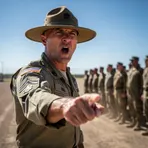
A military or police officer who is in charge of and trains lower-ranked people
 204
8.7
204
8.7
A soldier or police officer who gives orders and makes others follow rules
 14
3.5
14
3.5
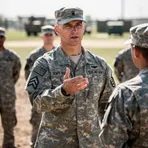
A military rank in the United States Army, Marines, or Air Force above corporal and below sergeant first class
 6
3.1
6
3.1
A police officer in charge of other officers
 4
5.5
4
5.5
A senior Army soldier who leads and trains other soldiers
 1
7.6
1
7.6
A soldier who encourages people to join the army

 1
4.0
1
4.0
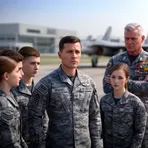
A senior military member in the air force or marines below a master sergeant who supervises junior people
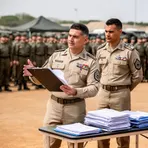
A senior soldier who helps an officer by passing orders and handling the unit's paperwork
Compounds
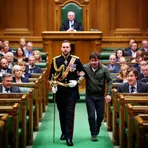
An officer who keeps order in a parliament or court and carries out official orders
Surface Forms
Etymology
Serjeant is an old spelling of sergeant, from Latin serviens 'serving' through French sergent, and it originally meant 'one who serves'. So a serjeant was a leader who 'served' by helping and commanding a small group, which fits the military and police rank.