
sepiolite
- noun
- /ˈsɛpiəˌlaɪt/
- Specialized
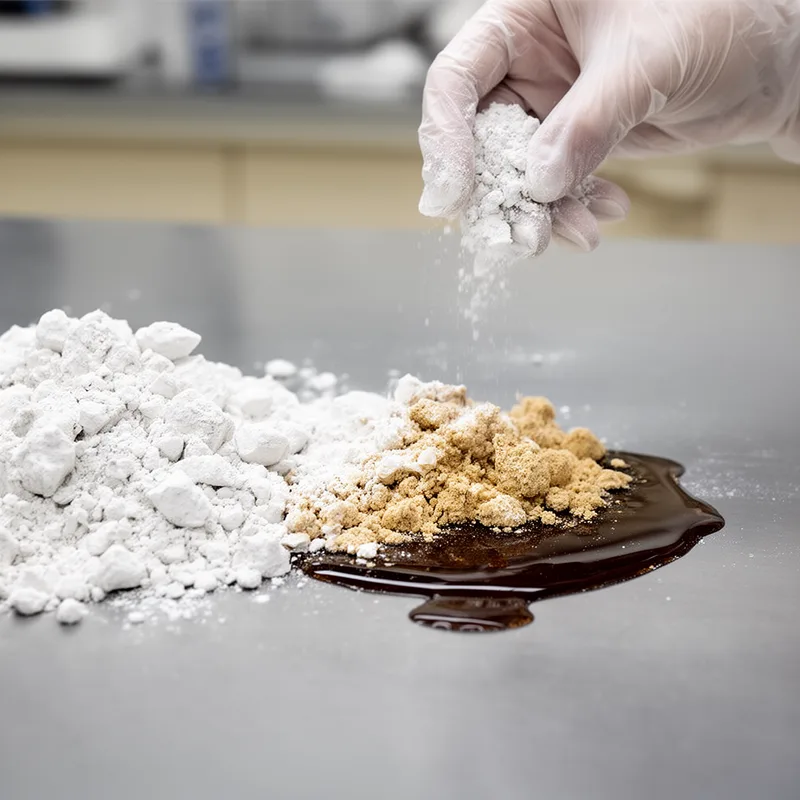
- Because of its absorbent properties, sepiolite is used to clean up oil spills.
Examples
-
Deposits of sepiolite are often found in arid regions and are mined for industrial use.
-
The sepiolite was used in the production of lightweight ceramics.
-
The artisan carved a beautiful pipe from sepiolite because of its softness and durability.
-
Many manufacturers prefer sepiolite for its absorbent properties.
-
Because of its absorbent properties, sepiolite is often used in the production of lightweight materials.
-
Deposits of sepiolite are typically extracted from arid regions for use in various industrial applications.
-
The mineral sepiolite is valued for its ability to retain moisture, making it useful in agricultural products.
Surface Forms
Morphology
sepiolite = sepiol (semi-transparent) = sepiol + ite
The suffix '-ite' commonly signals a mineral and may help learners infer category, but the root 'sepiol' is not a productive standalone English word and so the detailed meaning is not derivable.
Etymology
Sepiolite comes from the Greek parts sepia and lithos, which mean 'cuttlefish' and 'stone'. Because it is light and soft like a cuttlefish bone, sepiolite is a white, clay-like mineral that can be carved into pipes and that soaks up oil and other liquids.

