
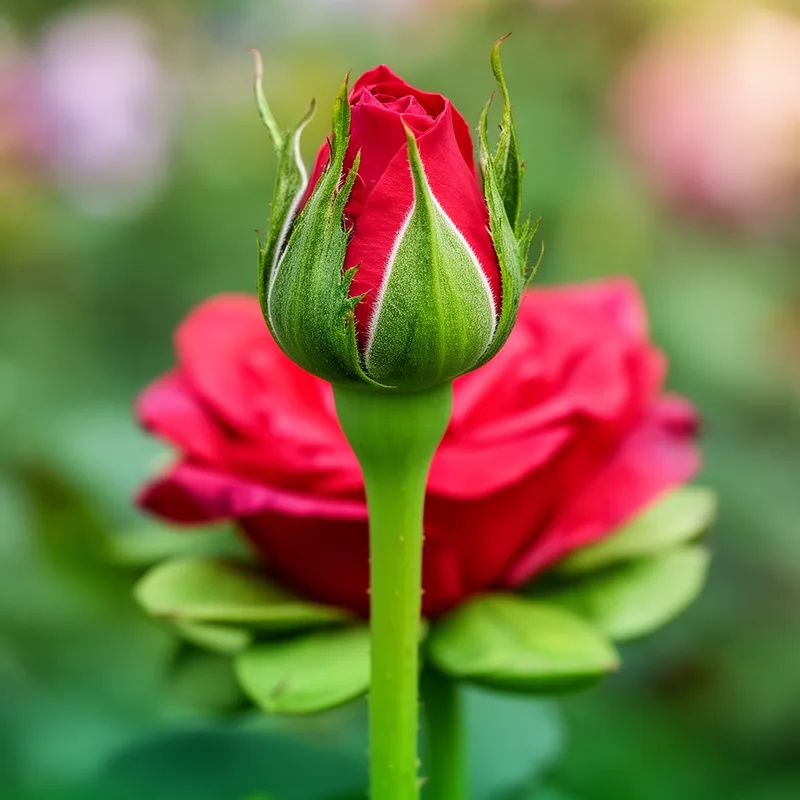
sepal
 1
8.1
1
8.1

- noun
- /ˈsiːpəl/
- Specialized
- Some spiral flowers, such as water lilies, have transitional organs that are partway between a sepal and a petal, or between a petal and a stamen.
- sepal and petal
Examples
-
A similar pattern is found in most members of the lily family, except that the petals and sepals are large and colorful, forming flowers attractive to pollinating insects.
Academic text (1992) -
And I love this right here are those sepals anyway, like little petals right here that have some green in them.
-
Well, what you can see here is that these two sepals have kind of come up slightly, but it's still that same form.
-
In fact, it appears that whenever sepals fail to form properly, flowering itself is reduced.
Academic text (2006) -
The outer whorl becomes the sepals.
Academic text (2006) -
In front of me was a cloth periwinkle flower that looked just like the real thing, with soft, white skin and serrated sepals.
Fiction book (2000) -
She thought about her lilies, the pale green sepals bulging in the moonlight.
Fiction book (1999) -
Eucrosia bicolor, a member of the amaryllis family, has bright red petals and sepals and long yellow stamens.
Academic text (1994) -
The genes that act in a given whorl of a floral meristem determine which kind of organ (sepal, petal, stamen, or carpel) the whorl grows into.
Academic text (2006) -
The flowers grow in clusters, and on the front of each flower are two winglike sepals.
How Leaflike


Surface Forms
Etymology
Sepal comes from the Greek root skepē, which means 'covering'. Sepals are the green, leaf-like parts that 'cover' and protect the petals when a flower is a bud, so the origin fits the word's meaning.