
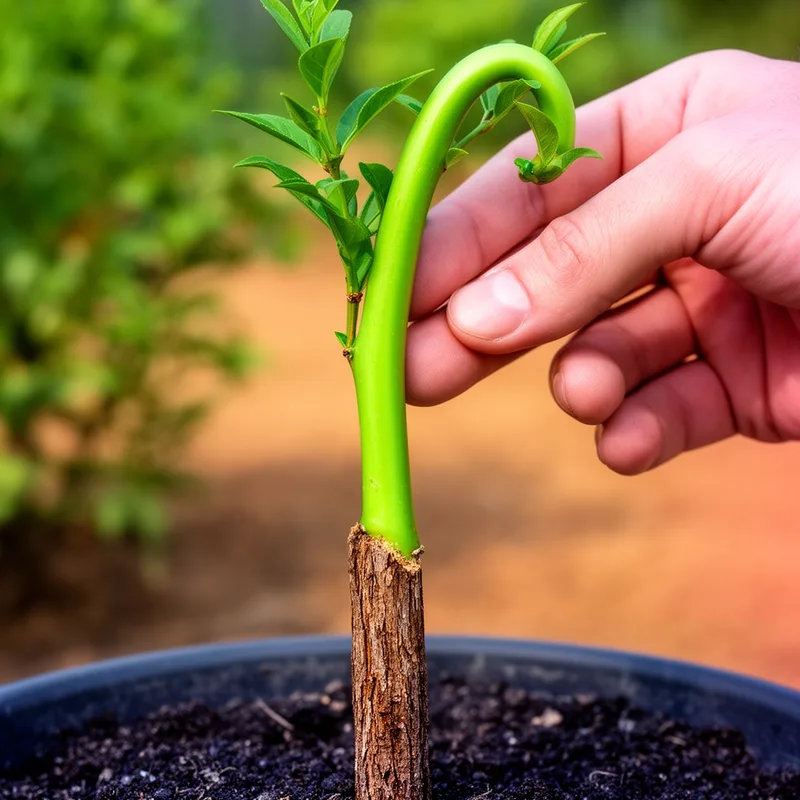
semiwoody
- adjective
- /ˌsɛmiˈwʊdi/
- Specialized
- The semiwoody stems of the plant can withstand light winds.
Examples
-
The botanist explained that semiwoody shrubs are common in Mediterranean climates.
-
The garden features several semiwoody plants that survive mild winters without damage.
-
Some perennials develop semiwoody stems as they mature, making them more resilient.
-
Many semiwoody plants thrive in dry climates.
-
Some plants have semiwoody stems, allowing them to withstand harsh weather conditions.
-
The garden featured several semiwoody shrubs that provided both structure and color.
-
In the spring, the semiwoody plants started to grow new leaves after the winter freeze.
Synonyms
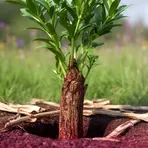
A plant with a woody base that does not die back each year
Antonyms


How Woody

Surface Forms
Morphology
Etymology
Semiwoody comes from the prefix semi- meaning 'partly' and wood meaning 'wood' or a hard plant stem. So, semiwoody describes stems that are partly hard like wood but not completely hard.