
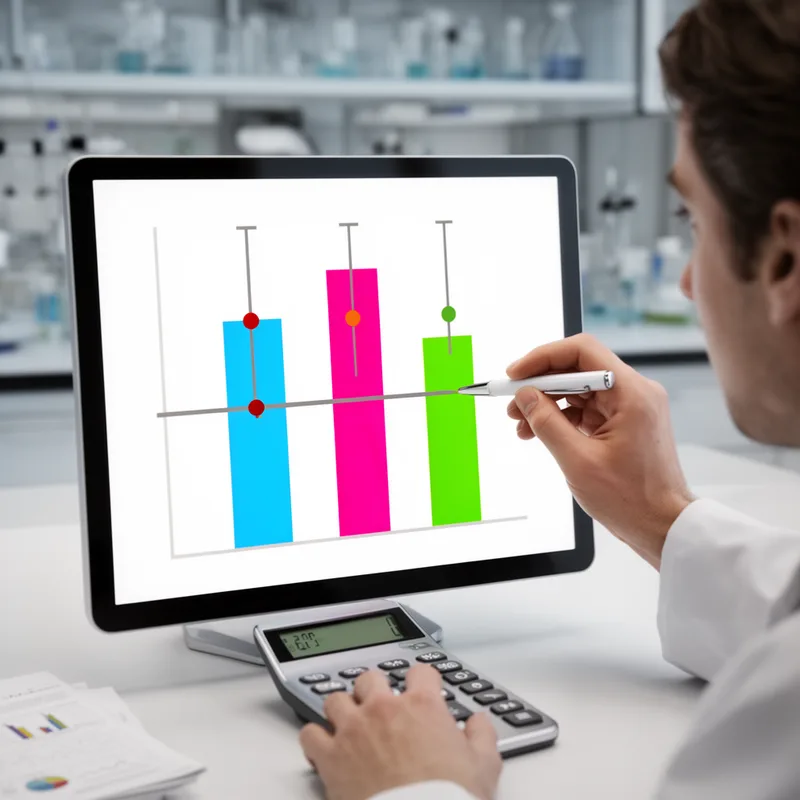
sem
 1
8.8
1
8.8

- noun
- /sɛm/
- Specialized
 :
error estándar de la media
:
error estándar de la media
- Additionally, the standard error of measurement (SEM) and the smallest detectable change (SDC) were calculated based on the variance components.
- SEM = standard error
- mean SEM
- M = 1793.72, SEM
Examples
-
The larger an SEM is, the wider the confidence interval is around a score.
Academic text (2015) -
In the SEM analyses, missing data were handled using the full information maximum likelihood procedure.
Academic text (2015) -
All data in table 2 were expressed as mean standard error of the mean (SEM) by groups.
Academic text (2008) -
Relative to the last of the reliability-related criteria, eight of the tests reviewed included SEM data.
Academic text (2015) -
The overall SEM was 3.15% with an SDC of 8.73%.
Academic text (2015) -
The SEM for the total score was only 1.43% with an SDC of 3.96%.
Academic text (2015) -
As noted by Hutchinson (1996), SEM data provide clinicians with a level of confidence around any individual obtained score.
Academic text (2015) -
Results were expressed as mean standard error of the mean (SEM) for total lutein and zeaxanthin concentration.
Academic text (2008) -
The study calculated the SEM to help determine how much the sample mean might vary from the true mean of the population.
-
Researchers reported the SEM to indicate the precision of their estimated means across different sample sizes.
Surface Forms
Morphology
sem = standard error of the mean (opaque) = s + e + m
This is a conventional initialism for a technical phrase, and the meaning is not recoverable from the letters alone for most learners.
Etymology
Sem comes from the first letters of standard error of the mean, a statistical phrase about how much an average may vary. It shows the typical error of an average, so a smaller sem means the result is more reliable.