

seismicity
 1
8.0
1
8.0

- noun
- /saɪzˈmɪsɪti/
- Specialized
- The seismicity of the region has increased significantly in the past decade, causing concern among local residents.
Examples
-
Local seismicity appears to be elevated, though reading the Popo seismogram is again hampered by a persisting software issue.
Blog text (32) -
Until now, distant but damaging "aftershocks" have not been included in hazard assessments, yet in each study, changes in seismicity were predictable enough to be included in future evaluations of earthquake hazards.
Blog text (21) -
There has been quite a bit of seismicity there.
-
And there has been seismicity there.
-
I did not notice much seismicity during that time.
Blog text (25) -
All of the observed remote triggering events occurred in areas of known faulting and persistent seismicity.
Academic text (1993) -
It is fair to say that geologists are better at describing seismicity than predicting it.
Blog text (20) -
Large earthquakes can alter seismicity patterns across the globe in very different ways, according to two new studies by U.S. Geological Survey seismologists.
Blog text (21) -
Seismicity at San Miguel volcano (El Salvador), while high (station VSM), is also within what is considered "normal" limits.
Blog text (32) -
Ozark+JMG - There is much thought that the ongoing present-day seismicity in eastern North America is in part due to continuing isostatic rebound from the last ice age, 10,000 years after the fact.
Blog text (4)
Synonyms
 11
3.7
11
3.7
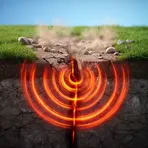
Movements of the ground that cause earthquakes or small shakes
How Active
- Specialized
1
8.0
 12
3.5
12
3.5
Surface Forms
Morphology
Etymology
Seismicity comes from the Greek root seismos meaning 'shake' and the ending -ity meaning 'state', and you can see the same root in seismic. So seismicity is the 'state of shaking', meaning how often and how strong earthquakes happen in an area.