
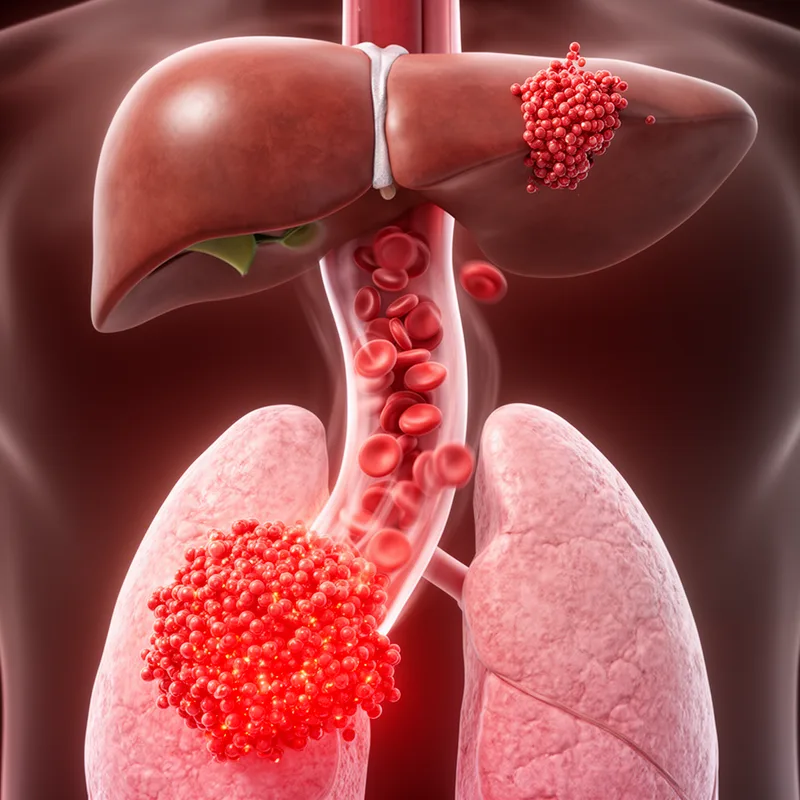
seeding


 1
5.9
1
5.9
- noun
- /ˈsiːdɪŋ/
- Specialized
- Following resection, recurrence at a secondary site may occur as a result of metastasis or tumor seeding along the surgical pathway.
- surgical seeding
- pathway seeding
Examples
-
Further review of the pathology did not enable us to determine whether the most recent chordoma was the result of a metastasis or seeding.
Academic text (2008) -
Prior to excision, Tisseel fibrin-glue-coated patties were placed along the surgical pathway to prevent tumor seeding.
Academic text (2008) -
There are two possibilities that would explain our patient's most recent tumor: regional metastasis and surgical pathway seeding.
Academic text (2008) -
Still, recurrent disease as a result of metastasis or surgical pathway seeding does occur.
Academic text (2008) -
We believe that this latest clival chordoma might have occurred as a result of surgical pathway seeding during a previous operation anterior to the sternocleidomastoid muscle, although metastasis cannot be ruled out.
Academic text (2008) -
Since our patient had undergone previous chordoma excisions through the auricular region and around the superior sternocleidomastoid muscle, her tumor might have occurred as a result of surgical pathway seeding during one of her previous operations.
Academic text (2008) -
In cancer treatment, understanding the mechanisms of seeding can help predict how tumors spread.
-
The doctor explained that tumor seeding can occur during surgery, potentially leading to a recurrence.
-
Research into how tumor seeding happens is crucial for developing effective therapies against cancer.
Surface Forms
Morphology
Etymology
Seeding comes from the common word seed, which means a small thing that can 'grow' into something bigger. In medicine, seeding is a way to talk about cells or particles that move and 'plant' themselves in a new place, which is why the word means the spread of disease to other parts of the body.