
secularization
- noun
- /ˌsɛkjʊləraɪˈzeɪʃən/
- Specialized
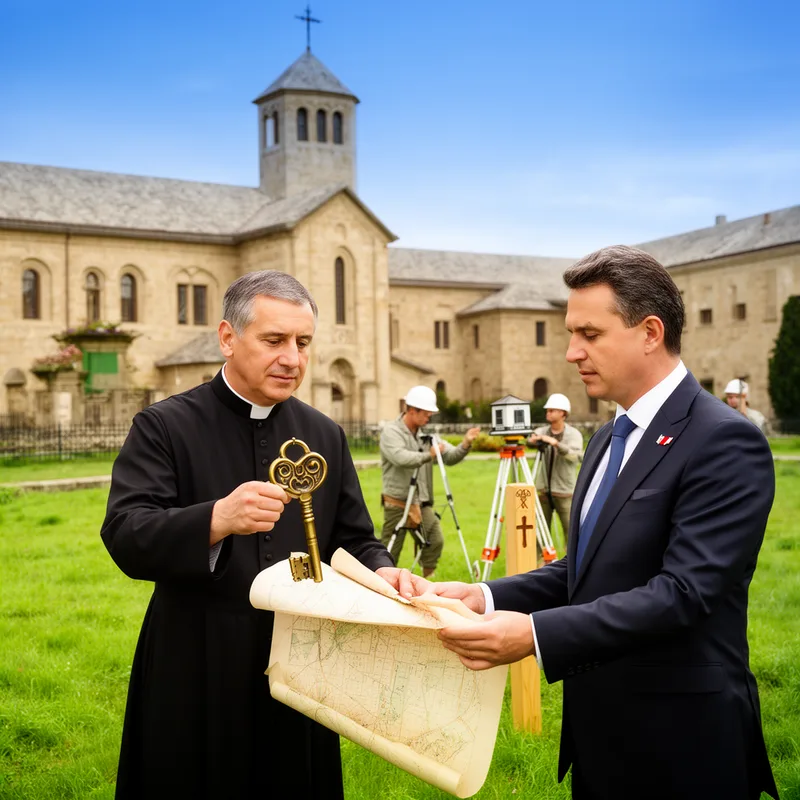
- In the year 1764, there was a secularization of church property, which made it economically dependent on the government.
Examples
-
The drastic decline in the number of clerical positions, together with the secularization of much church property, meant that it was much more difficult to support this type of apprenticeship financially.
Academic text (2004) -
In many countries, the secularization process has transformed schools into places that prioritize secular education over religious teachings.
-
Of course, he could point to a growing literature on the secularization of American universities.
Academic text (2002) -
Such a step also resulted in the secularization of the covenant form.
Academic text (1998) -
This secularization of this sacred site was partly the outcome of the adoption of the gardens as a city icon as well as a primary vehicle for the regional tourism industry.
Academic text (2008) -
The secularization of the schools during the past century has prompted attacks on the curricula, textbooks, and library books by fundamentalist Christians, who object to whatever challenges their faith-based views of history, literature, and science.
Academic text (1990) -
Well, because back during Secularization, the state took all property belonging to the Church—lands, but also valuable vessels and stuff, and old books—and made it state property.
Blog text (33) -
The secularization of the church's assets allowed the government to use the funds for public services.
-
The secularization of former religious institutions led to their conversion into community centers that serve all citizens.
Synonyms

 9
7.0
9
7.0

Taking a business or industry into government ownership
 1
8.7
1
8.7
Ending an official link between a church and the government

The act of making institutions free from religious control

Removing Christian beliefs and practices from a person, group, or institution

To remove a building's religious status so it can be used for other things

Giving control of a service or asset to the local government
Surface Forms
Morphology
secularization = secularize (transparent) = secular + ize + ation
The institutional/property sense is a regular nominalization of 'secularize' (secular + -ize) and denotes the process/result of making institutions or property nonreligious.
Etymology
Secularization also comes from secular, meaning 'not part of the church', and was used for moving things into ordinary use. That's why secularization can mean the transfer of church property or institutions to state or public ownership.