

searcher


 1
9.9
- noun
- /ˈsɜːrʧər/
- US
- During the summer, the metallic blue-green searcher can often be seen hunting on the leaves.
Examples
-
The searcher crawled across the garden.
-
I spotted a searcher crawling on the tree trunk, preying on unsuspecting caterpillars.
-
During the summer, I spotted a searcher hunting for prey on a tree trunk.
-
Gardeners welcome the searcher as it helps control pest populations in their crops.
-
The searcher is known for its striking blue-green coloration and voracious appetite for caterpillars.
-
Many searchers look for caterpillars in the wild.
-
The searcher moved quickly through the garden, looking for caterpillars to catch.
Synonyms
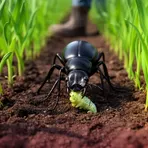 1
8.4
A ground beetle usually black or shiny that eats other insects and helps control pests
 1
9.9
A large shiny blue-green beetle from North America that eats caterpillars
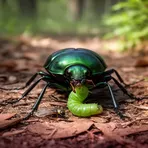 1
9.9
A large ground beetle that eats caterpillars and other insects

A large shiny blue-green beetle from North America that eats caterpillars
Antonyms

Compounds
Surface Forms
Morphology
Etymology
The word searcher for the beetle also comes from search + -er because the insect moves around hunting caterpillars. Think of a small hunter that 'looks around' for food, which is why it is called a searcher.