
sclerotome


 1
9.9
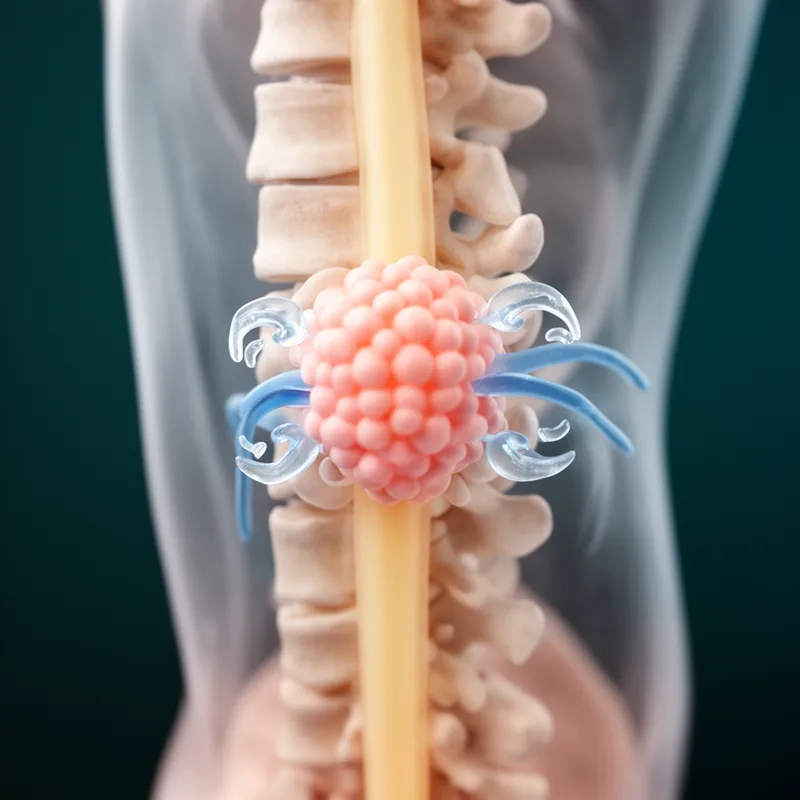
Part of an embryo that becomes bone or cartilage, especially of the spine
- noun
- /ˈsklɛrəˌtoʊm/
- Specialized
:
esclerotomo
- During embryonic development, the sclerotome forms bones that provide structure to the vertebral column.
Examples
-
The basal support for the hindbrain is provided by parachordals that are formed from the sclerotome portion of anterior somites.
Academic text (2003) -
The sclerotome is crucial for the formation of cartilage in the developing spine.
-
The polar bodies are probably derived from the sclerotome.
Academic text (2003) -
Scientists study how the sclerotome differentiates to understand vertebral column abnormalities.
Surface Forms
sclerotome singular
sclerotomes plural
Morphology
Etymology
Sclerotome comes from Greek parts scler- meaning 'hard' as in sclerosis, and -tome meaning 'section'. In an embryo the sclerotome is the 'hard section' that becomes bone or cartilage, which is why it later forms the vertebrae and parts of the rib cage.