
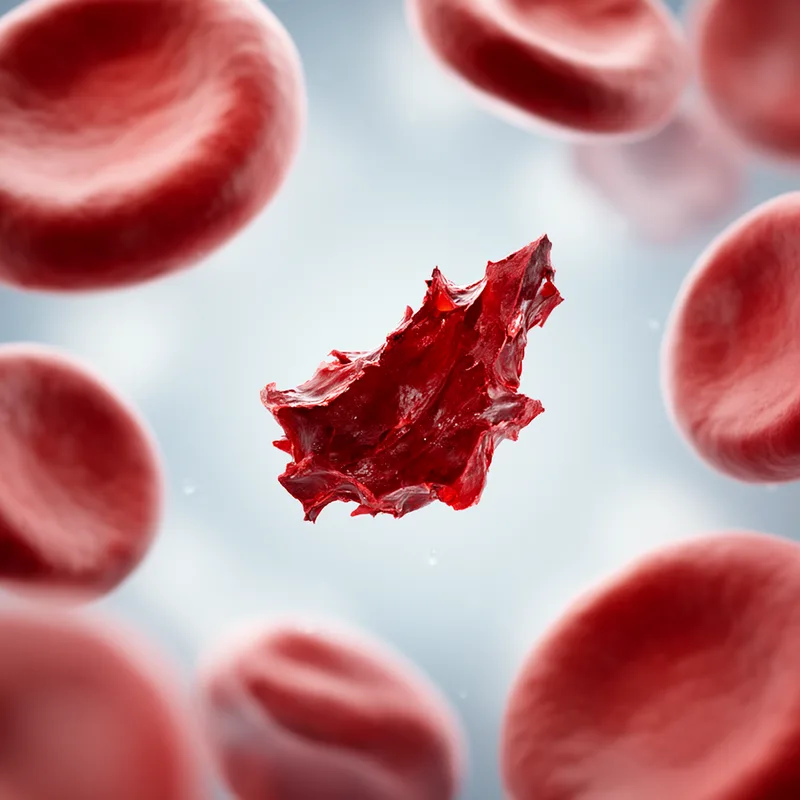
schistocyte
 1
9.9

- noun
- /ˈskɪstəˌsaɪt/
- Specialized
- A high number of schistocytes in a blood sample can indicate severe conditions such as thrombotic thrombocytopenic purpura.
Examples
-
In patients with hemolytic anemia, the examination of blood smears often reveals numerous schistocytes.
-
The recognition of schistocytes, rarely seen in SLE, led us to the diagnosis of TTP.
Academic text (2007) -
With these intensive therapies, her consciousness level improved, schistocyte numbers diminished, and the anemia and thrombocytopenia significantly improved.
Academic text (2007) -
Reticulocyte count was 7.6%, and peripheral smear showed abundant schistocyte cells along with some tear drop cells (1%).
Academic text (2007) -
The laboratory report indicated the presence of schistocytes, suggesting a possible blood disorder.
Surface Forms
Morphology
schistocyte = schist (opaque) = schisto + cyte
The term is formed from technical combining forms ('schisto-' + '-cyte') that are not recognizable to average learners, so the precise medical sense ('fragmented red blood cell') cannot be derived from common base-word knowledge.
Etymology
The word schistocyte comes from Greek parts schisto- meaning 'split' and -cyte meaning 'cell'. So a schistocyte is a 'split cell', a fragment of a red blood cell, which is why doctors look for them in some blood disorders.