
scapose
9.9
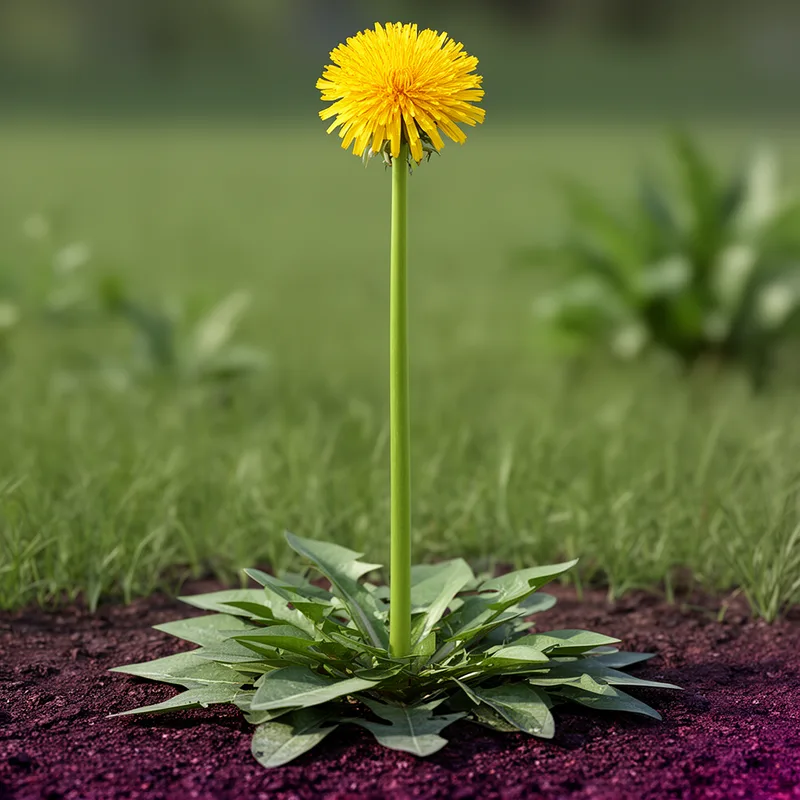
A plant that has a long bare stem with no leaves rising from the ground
- adjective
- /ˈskeɪpoʊs/
- Specialized
:
escaposo
- Many lilies produce scapose stems that rise directly from bulbs beneath the soil.
Examples
-
Dandelions are known for their scapose flower stalks.
-
The scapose structure of certain wildflowers distinguishes them from leafy-stemmed varieties.
-
The scapose flowers of the plant attract many bees.
-
A scapose stem is characteristic of certain species.
-
The tall, scapose flowers of the plant bloom above the surrounding foliage.
-
Gardeners appreciate the scapose nature of these plants as it allows for easy visibility of the blooms.
-
In spring, the scapose stalks of the tulips pierce through the ground, showcasing their vibrant colors.
Surface Forms
scapose positive
Morphology
Etymology
Scapose comes from the root scape, an old word meaning 'stalk' or 'stem'. It describes plants with a long, bare, leafless stalk rising straight from the ground, so think 'scape' = 'stalk' to remember the meaning.

