

satsuma tree
- noun
- /ˈsætsuːmə triː/
- The satsuma tree in her garden produced dozens of sweet, seedless oranges each winter.
Examples
-
After years of care, their satsuma tree reached maturity and began yielding fruit in time for Christmas.
-
He planted a satsuma tree because it thrives in colder climates than most citrus.
-
The satsuma tree is blooming beautifully this spring.
-
I planted a satsuma tree in my backyard.
-
The satsuma tree in her garden produced dozens of sweet, seedless oranges each winter.
-
After years of care, their satsuma tree reached maturity and began yielding fruit in time for Christmas.
-
He planted a satsuma tree because it thrives in colder climates than most citrus.
Synonyms
 4
1.0
4
1.0

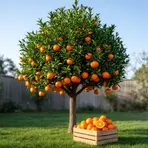
A tree that grows round sweet fruit you can eat
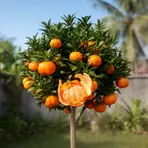
A small tree from Southeast Asia that grows sweet, easy-to-peel orange fruit
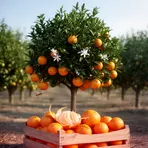
A small tree that makes sweet mandarin oranges with thin, easy to peel skin
Surface Forms
Morphology
The meaning 'a tree that produces satsuma oranges' is directly and transparently derived from combining 'satsuma' (a type of mandarin orange) with 'tree' (a plant), following the common noun + tree compounding pattern. This compositional structure is cross-linguistically regular and would be immediately understood by a B1 learner who knows both constituent words (assuming they recognize 'satsuma').
Etymology
Satsuma tree gets its name from Satsuma, a place in Japan where these small mandarins were first grown and sent to other countries. That's why the phrase now means 'a tree that produces satsuma oranges', the sweet, 'seedless' and 'easy-to-peel' fruit.