

sarkar
- noun
- Archaic
- Historical records describe the sarkar as a key unit of administration in Mughal India.
Examples
-
Each sarkar was managed by officials responsible for tax collection and law enforcement.
-
The boundaries of a sarkar often changed with shifts in political power.
-
The sarkar was responsible for collecting taxes from the villagers.
-
During the Mughal era, each sarkar had its own administrative system.
-
Each sarkar was managed by officials responsible for tax collection and law enforcement.
-
Historical records describe the sarkar as a key unit of administration in Mughal India.
-
During the Mughal era, each sarkar had its own administrative system.
Synonyms

An area of land used for tax and local government in the past in South Asia
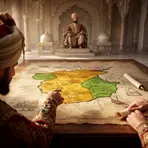
An old province in South Asia ruled by Mughal emperors

An area governed by an official in the Ottoman Empire
Surface Forms
Etymology
Sarkar comes from Persian parts sar 'head' and kar 'doer', so it originally named the person in charge and the area they ran. In South Asia that became the word for an administrative district where officials collected taxes and kept the law.

