
saponaceous
- adjective
- /ˌsæpəˈneɪʃəs/
- Specialized
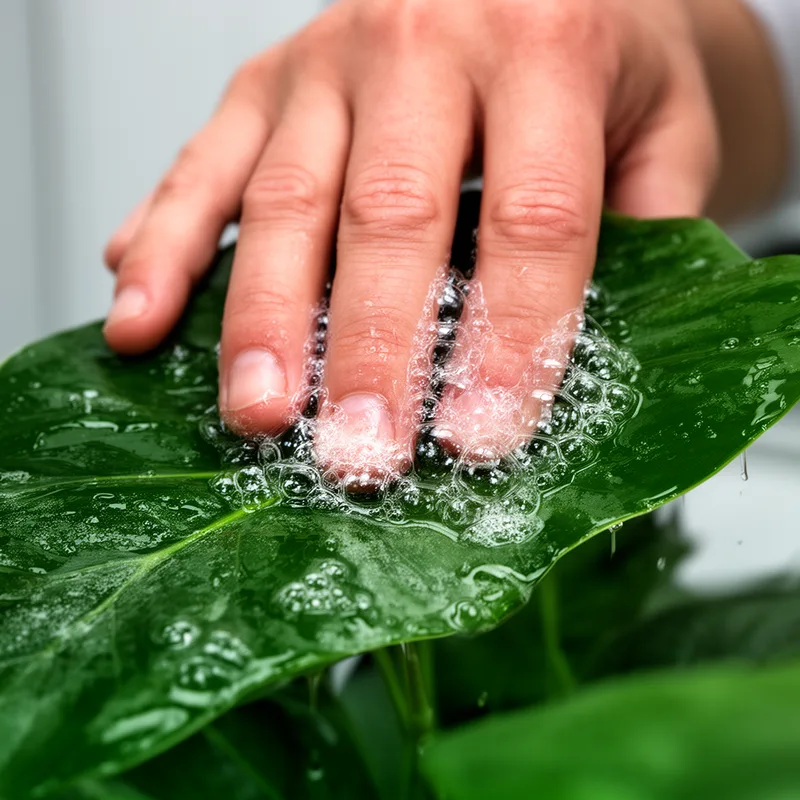
- The saponaceous texture of the plant's leaves made them ideal for creating natural soaps.
Examples
-
After washing with the saponaceous substance, my hands felt clean and smooth.
-
Wilberforce's smooth and slippery manner had led a contemporary to call him saponaceous, after the adjective from soap.
Academic text (2008) -
A saponaceous film covered the surface of the pond, making it appear slippery and difficult to walk on.
Synonyms

 42
2.5
42
2.5

Covered in a wet, slippery layer, like on fish or rocks
 15
1.0
15
1.0
A slippery, foamy feeling like soap on your skin
 3
1.9
3
1.9
Covered with soap bubbles


 1
9.9
1
9.9
Having a smooth, slippery surface because of oil or water
Compounds


How Soapy

Surface Forms
Morphology
saponaceous = sapon + aceous
Although the word is historically built from a classical root plus the suffix -aceous, the root is not a common standalone English word, so the meaning is not readily predictable for an average learner.
Etymology
The word saponaceous comes from the Latin root sapon meaning 'soap' and the ending -aceous that means 'like', so a saponaceous surface is 'soap-like' — slippery and soapy to the touch.