
salicin
9.8
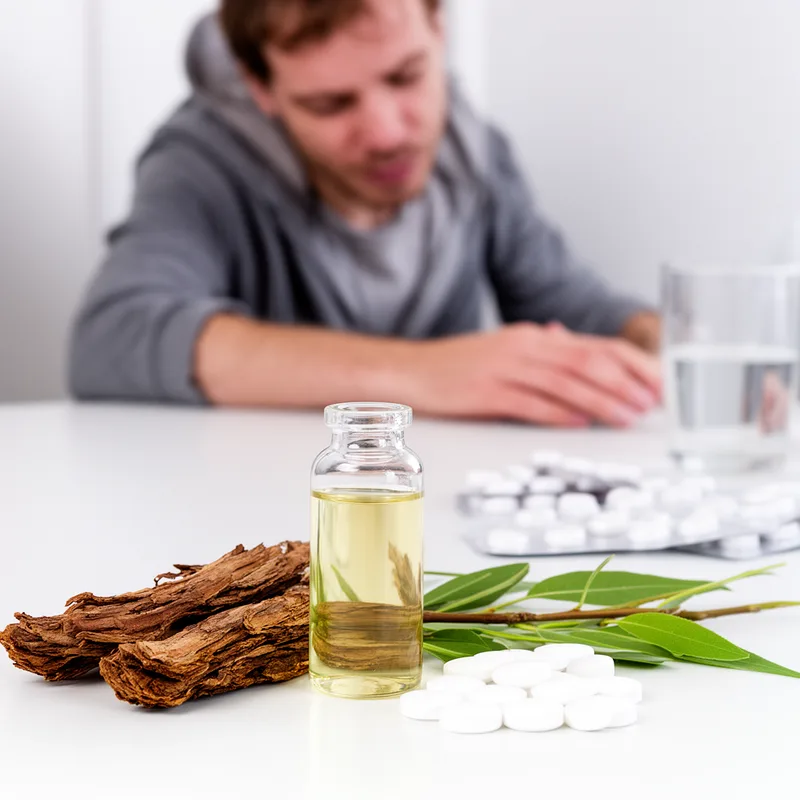
A bitter substance in willow bark that reduces pain and helps make aspirin
- noun
- /ˈsælɪsɪn/
- Specialized
 :
salicina
:
salicina
- Salicin, which comes from the bark of willow trees, is commonly used to reduce salicin inflammation.
- salicin from willow
- salicin from willow bark
- a compound called salicin
Examples
-
The anti-inflammatory properties of salicin make it a popular choice in herbal medicine.
-
Salicin, derived from willow bark, was first used in 1874 to treat inflammation in rheumatic fever.
Academic text (2012) -
One of Dioscorides' earliest prescriptions was to use juice obtained from the white willow as a method of treating gout. Eighteen hundred years later, chemists discerned that a compound called salicin was responsible for the analgesic effects.
Academic text (1997) -
Many people use salicin as a natural alternative to over-the-counter pain relievers.
Surface Forms
Etymology
The word salicin comes from the Latin word salix, which means 'willow'. It names the bitter compound first found in willow bark and used as a natural pain reliever, which later helped scientists make aspirin.

