
sacculate
- adjective
- /ˈsækjʊleɪt/
- Specialized
- In certain species, the sacculate stomach allows for more efficient digestion.
Examples
-
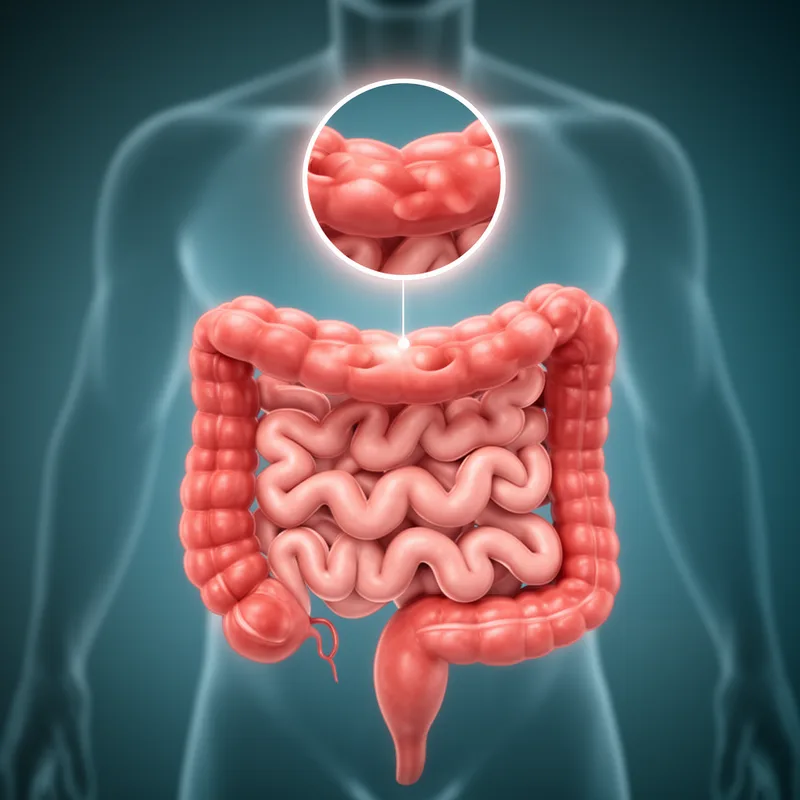
Some segments of the large intestine are notably sacculate in appearance.
-
The sacculate structure of the plant helps it store water efficiently.
-
The sacculate structure of the respiratory system can trap air for buoyancy.
-
Many sacculate organisms thrive in aquatic environments.
-
In certain species, the sacculate stomach allows for more efficient digestion.
-
The sacculate structure of the plant helps it store water efficiently.
-
Some segments of the large intestine are notably sacculate in appearance.
Synonyms



 1
7.4
1
7.4
Having a skin pocket on the body to carry baby animals or food

Having small parts that look like bags on a body part

Shaped like a small bag
How Pouched

Surface Forms
Morphology
Etymology
Sacculate comes from the Latin root saccus, which means 'bag' and is like the English word sack. So sacculate describes something 'having bag-like pouches', which is why we use it for organs or body parts that form small sacs.