

runcinate leaf
- noun
- /ˈrʌnʃɪneɪt liːf/
- Specialized
- A botanist identified the specimen by noting its runcinate leaf margins curving toward the base.
Examples
-
The dandelion is well known for its runcinate leaf shape, which helps distinguish it from other plants.
-
The dandelion is known for its distinctive runcinate leaf, characterized by its deeply incised margins that curve toward the base.
-
Many wild salads contain plants with a runcinate leaf, adding both visual interest and texture.
-
The runcinate leaf of the dandelion is easily recognizable.
-
Many gardeners appreciate the unique shape of a runcinate leaf.
-
Gardeners often favor plants with a runcinate leaf for their unique appearance and ability to add texture to gardens.
-
In botany, the runcinate leaf shape of certain plants, like the dandelion, helps in identifying them more easily.
Synonyms


 1
4.6
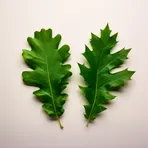
A leaf with deep cuts that make rounded or pointed parts, like an oak leaf
How Incised
- Specialized
 1
4.6
- Specialized
- Specialized
1
6.7
Surface Forms
Morphology
The phrase is straightforwardly compositional: the adjective 'runcinate' specifies a particular kind of margin and 'leaf' names the referent, so a learner who knows 'runcinate' and 'leaf' can derive 'a leaf with incised margins curving toward the base' directly. This follows the regular adjective + noun pattern common across languages, making the meaning predictable from the constituents.
Etymology
Runcinate leaf comes from an old Latin word for a cutting tool, which gives a clear picture: the leaf has deep teeth or lobes that bend back toward the stem like the teeth of a saw pointing to its handle. So, a runcinate leaf is one whose edges 'curve toward the base'.