

rose-root
- noun
- Specialized
- High in the mountains, rose-root flourishes among the stones and wild grasses.
Examples
-
Rose-root is prized in herbal medicine for its purported adaptogenic properties.
-
The gardener planted several rose-roots along the rocky border for their attractive foliage.
-
The rose-root is known for its medicinal properties.
-
Many herbalists recommend rose-root for stress relief.
-
The rose-root plant is often used in herbal remedies for its calming effects.
-
In traditional medicine, rose-root is believed to help with anxiety and fatigue.
-
She grows rose-root in her garden to make herbal teas for relaxation.
Synonyms

A mountain plant with thick, pink-tipped leaves and clusters of yellow flowers called roseroot
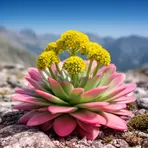
A mountain plant with thick pink-tipped leaves and groups of yellow flowers
Surface Forms
Morphology
Etymology
The word rose-root comes from the simple words rose and root, because people noticed the plant's root has a sweet, rose-like smell and its Latin name rosea means 'rose-coloured'. So, rose-root is an easy name for the mountain plant people use in herbal medicine.

