
rondeau
- noun
- /rɒnˈdoʊ/
- Archaic
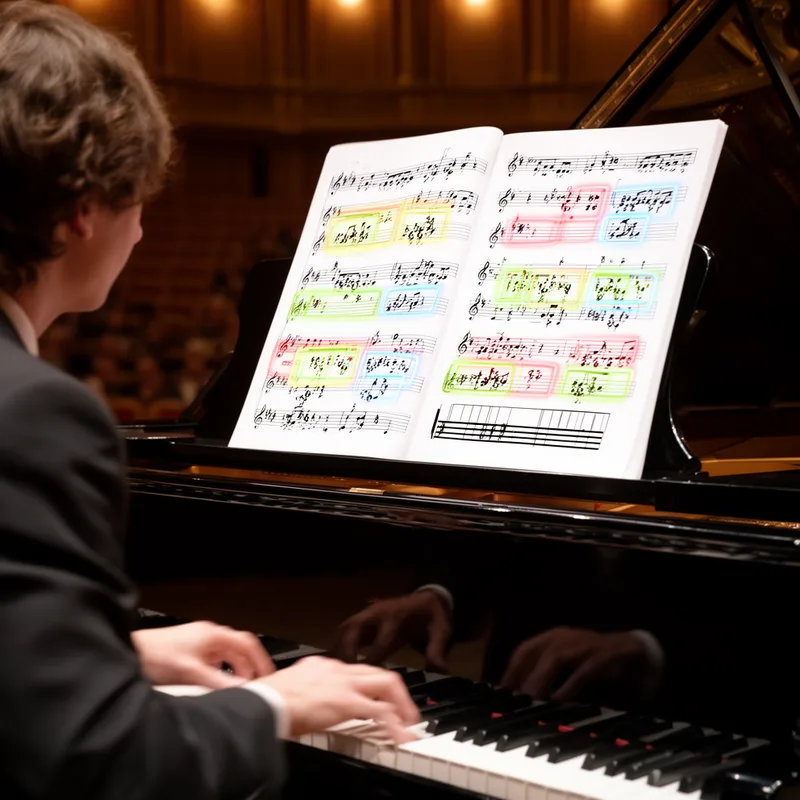
- The composer concluded the symphony with a beautiful rondeau that left the audience in awe.
- fifteenth-century rondeau
Examples
-
In the concert program, the final piece was listed as a rondeau, showcasing a rich blend of melodies.
-
Many classical musicians appreciate the complexity of the rondeau as a form in their repertoire.
-
Rondeau
Fiction book (1992) -
As already noted, in an early edition, Rabelais wrote "con," paralleling the fifteenth-century rondeau, but he substituted it with "tetins" later on.
Academic text (1990) -
As attested in the unabashed sexual activity depicted in the fifteenth-century rondeau, it was not difficult to translate the lewdness in the third reply into real action.
Academic text (1990) -
The fact that the author of the anonymous rondeau and Rabelais wove part of the story into their own work testifies to its great popularity in France during the Middle Ages and the Renaissance, providing another argument concerning its probable French origins.
Academic text (1990) -
A variant of the third reply was woven into a fifteenth-century rondeau, whose author sees a vagina between two sheets and a male member with full "sacs" shouting: "Ung con!"
Academic text (1990)
Synonyms

 10
9.0
10
9.0

A musical piece where the main tune returns between different tunes, often at the end
Surface Forms
Etymology
The word rondeau comes from the French rond meaning 'round', and it was first used for a circle dance; in music it names a piece where the opening phrase returns again and again. So a musical rondeau feels like a circle because the refrain keeps coming back.