
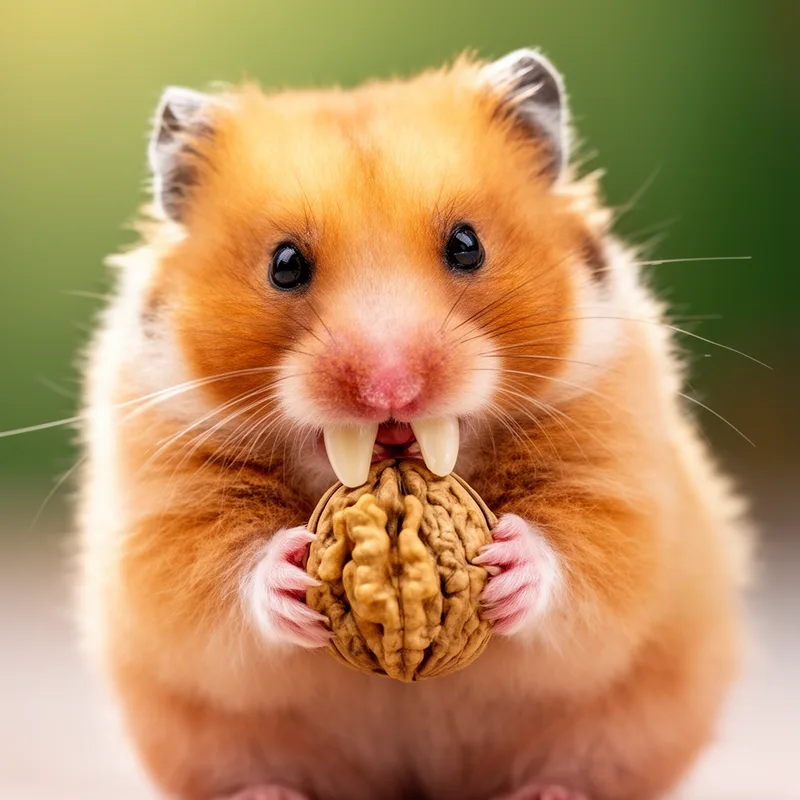
rodent
 117
2.8
117
2.8

- noun
- /ˈroʊdənt/
- The researchers are currently conducting studies on rodents to get some preliminary answers.
- small rodents
- rodents as pets
- wild rodents
Loading YouTube…
Watch on YouTubeBut that's so monkeys can get it from rodents just like humans can.
- But that's so monkeys can get it from rodents just like humans can.
- And I will dispose of the rodent once it's caught.
- So we came much closer to replicating their the rodent study and we saw it again.
- It exists in rodents, it exists in chickens, it exists in dogs.
- There is some discussion about thyroid cancer in rodent models.
- And they found that the, the rodents ate the entire allotment in four to six hours.
- And Punxsutawney Phil is a, is a rodent.
- These first mammals were small, they were rodents, but they were capable of a new type of thinking.
- Would I want to go back to the rodents and dog, horse?
Examples
-
The owl, a nocturnal creature, is best known for his wisdom and eating up small rodents.
-
It's some sort of rodent, apparently.
-
It is the second largest rodent in the world.
-
These first mammals were small, they were rodents, but they were capable of a new type of thinking.
-
So Prairie dogs are rodents that live all over America.
-
They have those awesome teeth and most rodents eat similar types of food.
-
This makes them easy prey, so these infected rodents get eaten and pass the parasite on.
-
At these two locations, we captured eight species of rodents that included 178 animals (Table 2).
Academic text (2015) -
The squirrel is a common type of rodent found in parks and forests.
-
After setting traps, they caught several rodents in their attic.
Synonyms


 1
8.1
1
8.1
A small mammal like a mouse or beaver with front teeth for biting hard things
Compounds
Surface Forms
Morphology
rodent = rod + ent
Formed from a Latin root meaning 'to gnaw' plus the Latin suffix '-ent'; these elements are not productive or semantically transparent to average learners, so the meaning cannot be reliably derived from the parts.
Etymology
Rodent comes from the old Latin verb rodere, which means 'to gnaw' or 'to bite', and you can see the same idea in the word erode ('to wear away'). So a rodent is a 'gnawing' animal, which fits mice, rats, squirrels and other small mammals that chew with strong front teeth.